
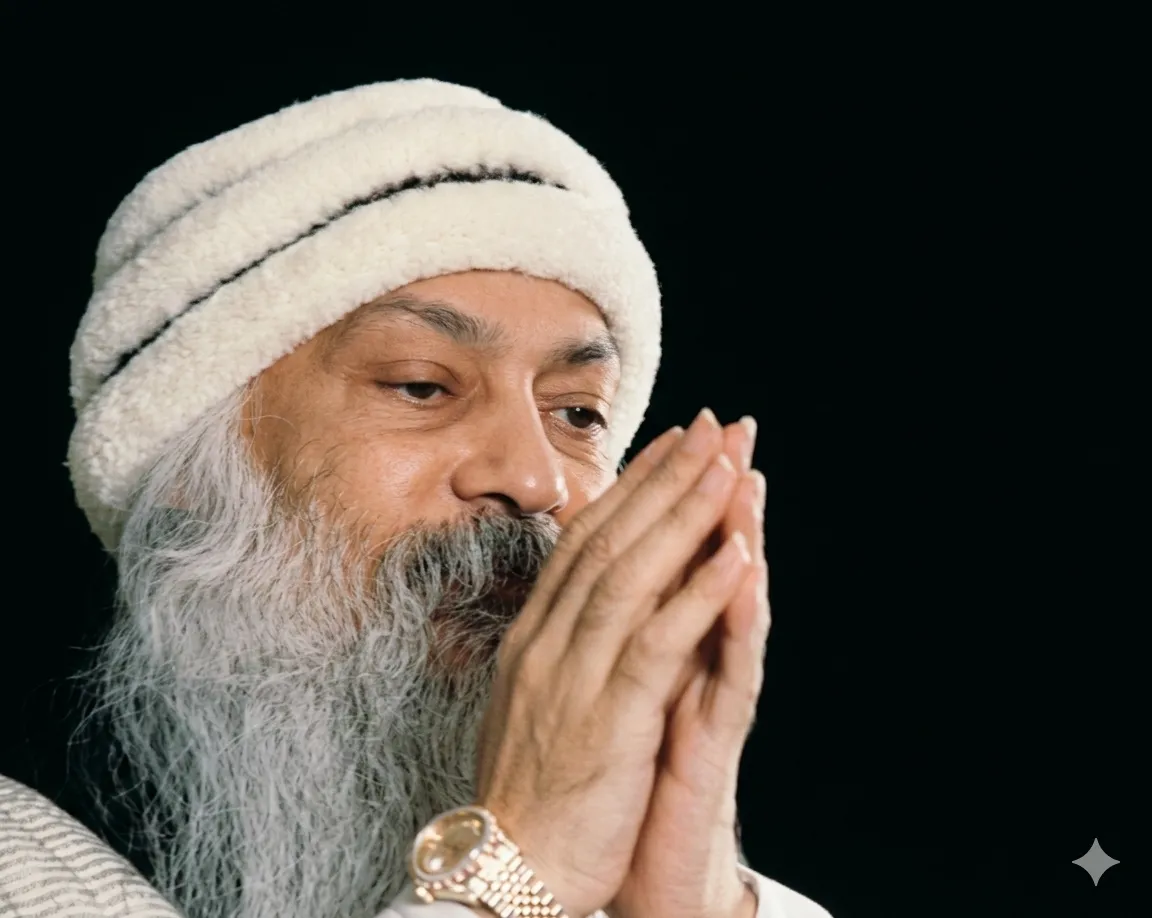
The Dhammapada: The Way of the Buddha, Vol 8, continues Osho's transformative exploration of Buddha's teachings, distilling profound spiritual wisdom into accessible insights for contemporary seekers. Osho delves into the eternal human quest for meaning and fulfillment, emphasizing the importance of mindfulness and awareness in daily life. Through an illuminating interpretation of The Dhammapada, he challenges conventional notions of morality, urging a shift from rigidity to living a life of spontaneous virtue drawn from inner consciousness rather than external mandates. In this volume, Osho highlights the journey from suffering to enlightenment, unveiling the layers of ego and illusion that obscure one's true nature. He invites listeners to embrace emptiness as a space of potential and creativity, rather than a void. Osho's reflections blend humor, anecdotes, and incisive critiques of societal norms, presenting a pathway to spiritual awakening that is rooted in personal experience and direct insight. With a focus on meditation as a practical tool for transformation, this series serves as a guide to living authentically, fostering a deeper connection to one's self and the universe. Through this discourse, Osho articulates a vision of freedom that transcends the confines of tradition, encouraging a dynamic and liberating interpretation of Buddha's path.
-
Chapter 1: Discontent is divine
Everything arises and passes; divine discontent, not belief, spurs youthful rebellion—cut desire, master words, thoughts and body, and find clarity.
-
Chapter 2: The who behind all who's
Life is not bound by golden rules: dhamma is freedom, not law. Be a seer who sees through mind's rules; live from awareness, not from fixed doctrines.
-
Chapter 3: Freedom has to be earned
Don't wait for Jesus to return; freedom must be earned by transcending desire—understand craving, remember death, seek wisdom and purity to awaken.
-
Chapter 4: A madman's guide
Lose mind and meditation both; transcend clinging to reach peaceful no-self (shunya). Teachings, groups and sannyas are skillful means to wake the sleeping.
-
Chapter 5: Be in the world and be holy
Forsake fleeting pleasure and dependency; turn inward to discover timeless bliss through wakeful, choiceless awareness that frees you from desire and bondage.
-
Chapter 6: I call a spade a spade
No way, no goal: wake from the dream of personhood, drop the mind's ambitions and politics, and celebrate existence as its own mysterious, purposeless joy.
-
Chapter 7: You have slept long enough
Wake from inherited religion: only a living master and inner awakening can ignite discipleship—sit, rest, work; cultivate awareness, meditation plus bliss.
-
Chapter 8: Out of chaos stars are born
The absurd is a doorway beyond reason into no-mind and rebirth: drop past habits, enter chaotic openness where silence, love and the master reveal reality.
-
Chapter 9: Sannyas is for sannyas' sake
Inner awakening, not ritual, frees you: drop beliefs, own your actions, practice sannyas for its own sake, and wake up to present truth now.
-
Chapter 10: Towards a new humanity
Enlightenment is your nature to remember, not attain; awaken from the dream through awareness and meditation—else the mind’s pendulum may swing you into the opposite rebirth.
-
Chapter 11: The psychology of egolessness
Surrender the false will (ego) to realize true will-egolessness; vigilant, total listening and a master’s surrender dissolve illusions and open authentic being.
-
Chapter 12: Rivers don't exist
God is not he or she but presence; existence is verb-like flow, awareness beyond gender. Know truth yourself rather than follow others; inner discovery matters.
-
Chapter 13: All words are lies
Are all words lies? Words are provisional mirrors; truth is inexpressible experience—use words as stepping‑stones to the moon, not the moon itself.