
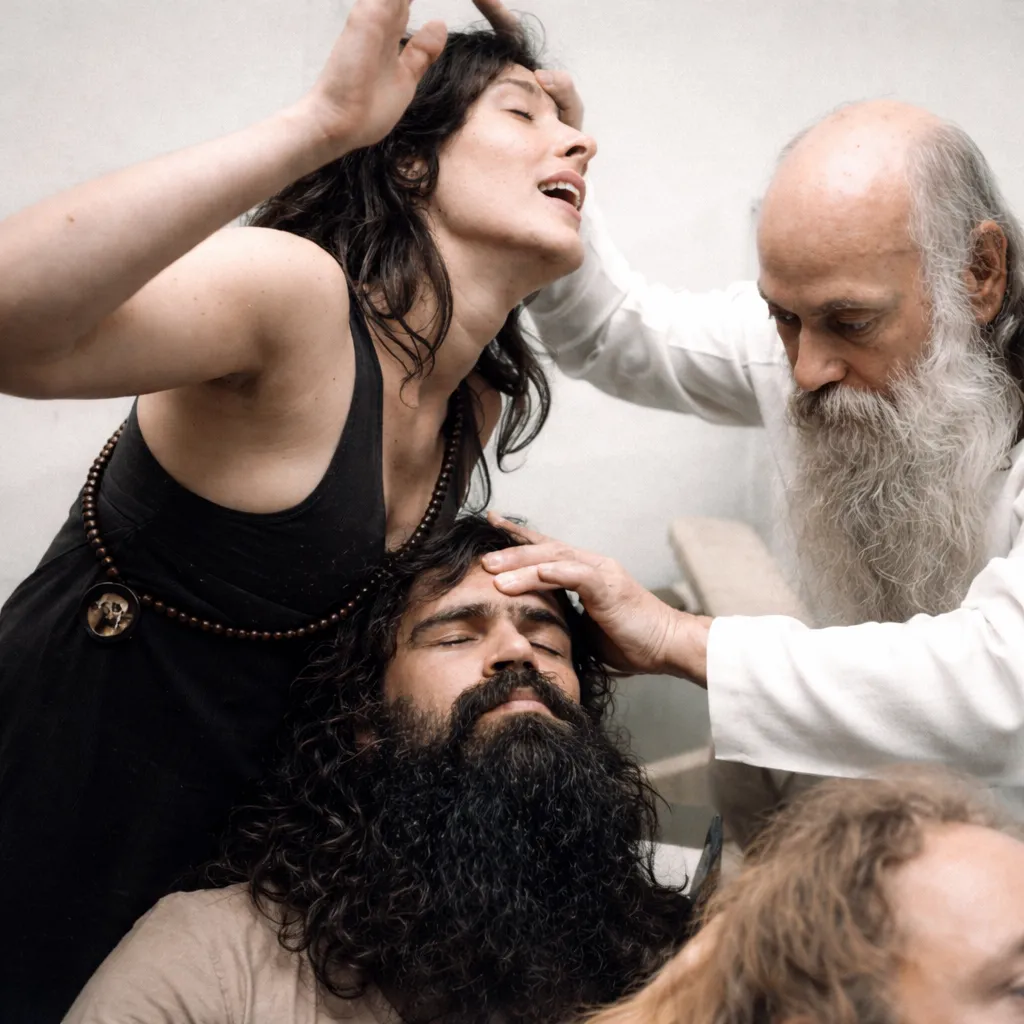
"The Dhammapada: The Way of the Buddha, Vol 12" encapsulates Osho's profound meditation on the timeless teachings of Buddha, illuminating his path with a contemporary sensibility. The series navigates through the essence of Buddha's teachings, emphasizing compassion, mindfulness, and inner transformation. Osho delves into the intricacies of human consciousness, urging listeners to transcend societal norms and embrace a deeper self-awareness. He articulates the concept of 'right living' not merely as a renunciation of the world but as an engaging journey of self-discovery and fulfillment. Osho highlights the significance of living in the present, shedding light on how clinging to the past or being anxious about the future can lead to suffering. He poetically unravels the notion of desire, suggesting it can be a doorway to enlightenment if understood correctly. Intrinsically, he invites his audience to see the spiritual path not as a rigid doctrine but as an exploration of one's authentic self. Through this volume, Osho provides a fresh lens on Buddha's teachings, challenging conventional religious dogmas and encouraging a personal experience of truth and liberation. The discourse captures the essence of spiritual freedom, pushing the seeker towards an ecstatic encounter with life itself.
-
Chapter 1: No-self actualization
Birth is mere seed; true life demands no-self actualization: the ego must die so inner potential flowers, freeing one from bondage into fearless mastery.
-
Chapter 2: Just throw the whole bag
Enlightenment is instant unlearning, a sudden drop of the ego—just throw away the bag of knowledge; rest, stop doing, and allow the awakening now.
-
Chapter 3: With love among the unloving
Meditation awakens true seeing; the master, free of desire and hatred, moves with detached love among the unloving, refusing all identification to attain freedom.
-
Chapter 4: Music comes closest
Knowledge blinds; awakened ones can work only with those who accept not-knowing. Music tunes the heart to silence, restoring innocence and opening the door to true meditation.
-
Chapter 5: He is the moon
A master free of desire, doubt and judgment becomes serene like the moon, beyond senses and time—trust replaces belief and fear through inner seeing.
-
Chapter 6: Life, love, laughter
Laughter, love and life as celebration free religion from deadly seriousness: true spirituality dissolves ego, makes freedom the law and life a dance.
-
Chapter 7: No yesterday, no tomorrow, no today
True calm arises when desire's seed is burned by awareness; spontaneous, fearless morality leads to timeless waking—no yesterday, no tomorrow, no today
-
Chapter 8: Born enlightened
Innocence is our native mirror, hidden by layers of conditioning; rediscover it by dropping effort and relaxing — you were born enlightened, remember.
-
Chapter 9: Possessing nothing, wanting nothing
Desire and possession arise from inner emptiness; meditation reveals your inner kingdom. Possessing and wanting nothing gives power, fearlessness and clear sight.
-
Chapter 10: Forget all about it
Become light—don't try to drop the ego; meditate until it cannot be found, as Bodhidharma showed Emperor Wu—then your true nature simply appears.