
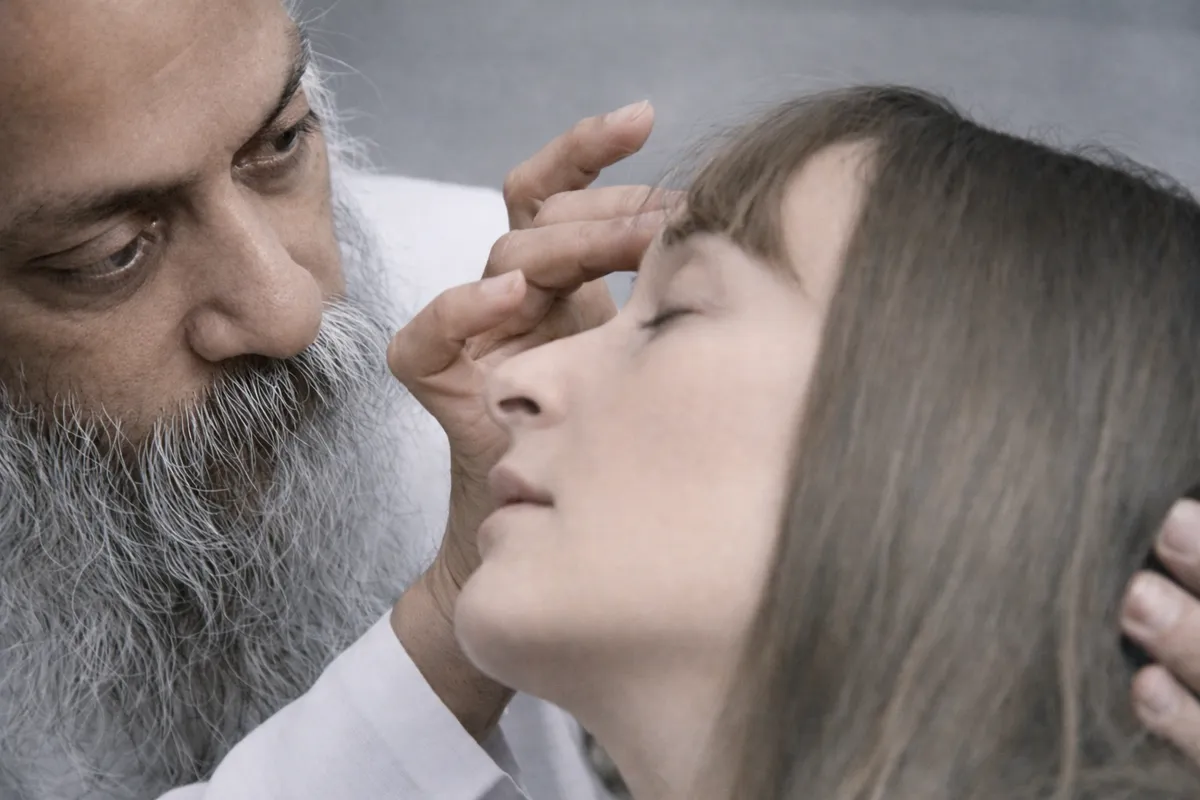
Tao: The Three Treasures, Vol 3 delves into the profound spiritual philosophy of Taoism as interpreted by Osho, emphasizing the often-overlooked harmony between being and non-being. Throughout this series, Osho explores the subtle yet powerful teachings of Lao Tzu, transporting his audience beyond conventional wisdom to a realm where surrender to existence becomes the ultimate act of courage and enlightenment. Osho draws upon his distinct blend of humor, clarity, and incisive observations to unravel the mystery of "wu wei," the art of effortless action, encouraging seekers to embrace life in its totality rather than resort to struggle or resistance. He articulates the fine balance between activity and receptivity as pathways to aligning with the cosmic flow. By dismantling rigid constructs of identity and ambition, Osho paves the way for a deeper understanding of the self and the universe. The discourse underscores the freedom and spontaneity inherent in living according to Taoist principles, urging individuals to trust the natural order and find spiritual fulfillment in the simplicity and serenity of everyday experiences. Through his compassionate guidance, Osho unveils the three treasures—simplicity, patience, and compassion—as guiding lights on the journey to spiritual awakening.
-
Chapter 1: Pursuit of Knowledge
Knowing (being) is immediate inner realization; pursuing knowledge outwardly increases emptiness—know yourself within and you see the Tao without windows.
-
Chapter 2: Don't do Nothing!
Enlightenment is the ultimate selfish search: become centred, exhaust and drop the seeker and the search, and let unselfishness and timeless being arise.
-
Chapter 3: Conquering the World by Inaction
Knowledge breeds ego and exile; by unlearning and ceasing to do, one returns to innocent being, allowing the whole to act through you and true conquest by non-action.
-
Chapter 4: Boy! Did we Shake that Thing!
Innocence follows knowledge, ignorance precedes it; meditation is unlearning the mind, dropping ego and becoming a vehicle for the Whole rather than a doer.
-
Chapter 5: Beyond Honour and Disgrace
Words cannot convey truth; by sealing the mind's apertures and sinking into silence one enters mystic unity where honour, disgrace, profit and loss dissolve.
-
Chapter 6: I will never Leave You
Drop the ego and ask from true need; only total frustration turns energy inward to 'instasy' — questions may be answered indirectly while presence and the key remain within.
-
Chapter 7: Difficult and Easy
Live moment-to-moment: practice non-doing (wu-wei), drop postponement, deal with small troubles now, and requite hatred with compassionate virtue.
-
Chapter 8: This is the Queen; Cleopatra
Self-confidence breeds delay: drop the ego and false consolations; enlightenment is revealed when the self disappears. Stop rationalizing; waiting is self-deceit.
-
Chapter 9: Beginning and End
A monk's river shows that dropping the past and stilling the mind—wu-wei—allows Buddha to arise; respond before impulses manifest and desire dissolves.
-
Chapter 10: What next?
Drop goal-oriented striving; life is a purposeless leela, enlightenment is already your being, not a future prize. Stop seeking; be here now and let desire go.