
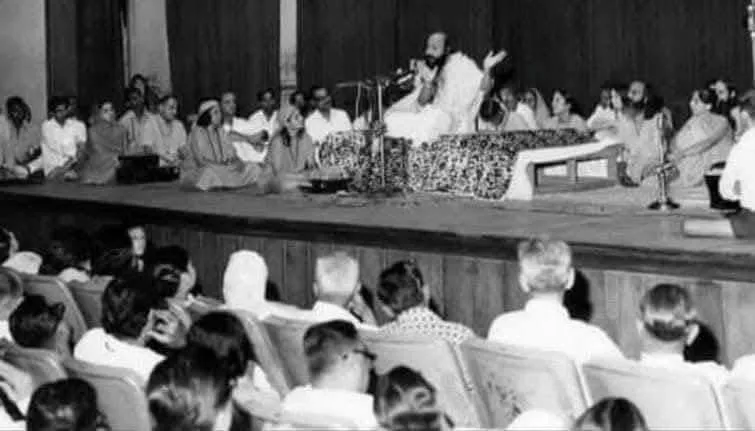
Tao: The Three Treasures, Vol 1 is a profound exploration of one of the most enigmatic philosophical traditions by the mystic Osho. Through his insightful discourses, Osho delves into the essence of Taoism, unraveling the subtle nuances of this ancient wisdom for the modern seeker. Central to the series is the concept of aligning with the natural flow of existence, which Osho describes as the core of Taoist philosophy. He speaks on the Three Treasures: compassion, frugality, and humility, drawing connections to a state of being in harmony with the cosmos. In his unique, incisive manner, Osho demystifies esoteric concepts, translating them into practical guidance towards achieving inner peace and balance. He challenges the conditioned mind and societal norms, encouraging a return to simplicity and spontaneity. The series explores themes of non-doing (wu wei), the transformative power of inner surrender, and the freedom found in embracing life's contradictions. Osho's vivid storytelling and deep existential inquiry invite listeners to transcend dichotomies and experience life through the lens of unity and interconnectedness, embodying the living reality of the Tao. His teachings offer a road map to cultivate a serene, authentic, and meaningful existence in consonance with the eternal rhythm of life.
-
Chapter 1: On The Absolute Tao
Words cannot convey the Absolute Tao: truth is lived and transmitted silently by being; Lao Tzu embodies interdependence of opposites, wu-wei and choicelessness.
-
Chapter 2: Ordinariness
Enlightenment is ordinary: accept your nobodiness, drop ambition and desire, be present; love and joy arise naturally—you're in the right place.
-
Chapter 3: On The Character of Tao
Tao is a hollow, inexhaustible source; embrace emptiness and the mystic feminine (valley) to dwell in effortless being and draw life’s abundance.
-
Chapter 4: Emptiness
Emptiness is positive no-self - the indefinable hub of being beyond knowledge; pass through fear in meditation to interdependence, where love contains hate.
-
Chapter 5: On The Danger Of Overweening Success
Excessive success destroys balance; live like a tightrope-walker—avoid extremes, retire when fulfilled, and cultivate the knack of inner harmony.
-
Chapter 6: There Is No Meaning
Meaning is contact, not interpretation: receive a master's gesture in silence; don't use the mind—wordless communion and presence dissolve meanings, limits.
-
Chapter 7: On The Utility Of Not Being
Emptiness is the source of being: becoming non-being—like the wheel’s hub or the seed’s void—yields authentic wholeness, fearless love and rebirth.
-
Chapter 8: Attaining Absolute Indifference
Attain absolute indifference: stop fighting thoughts, become the unconcerned witness and let the mind exhaust itself; silence arises spontaneously
-
Chapter 9: On The Wise Ones Of Old
Wise ones embody subtle, indirect wisdom beyond propositional knowledge—living presence, balance and ego-less depth; Socrates' calm at death exemplifies this.
-
Chapter 10: Wisdom And Understanding
Understanding is already within; enlightenment is not earned but chosen—total desire makes it sudden, partial desire makes it gradual; responsibility is yours.