
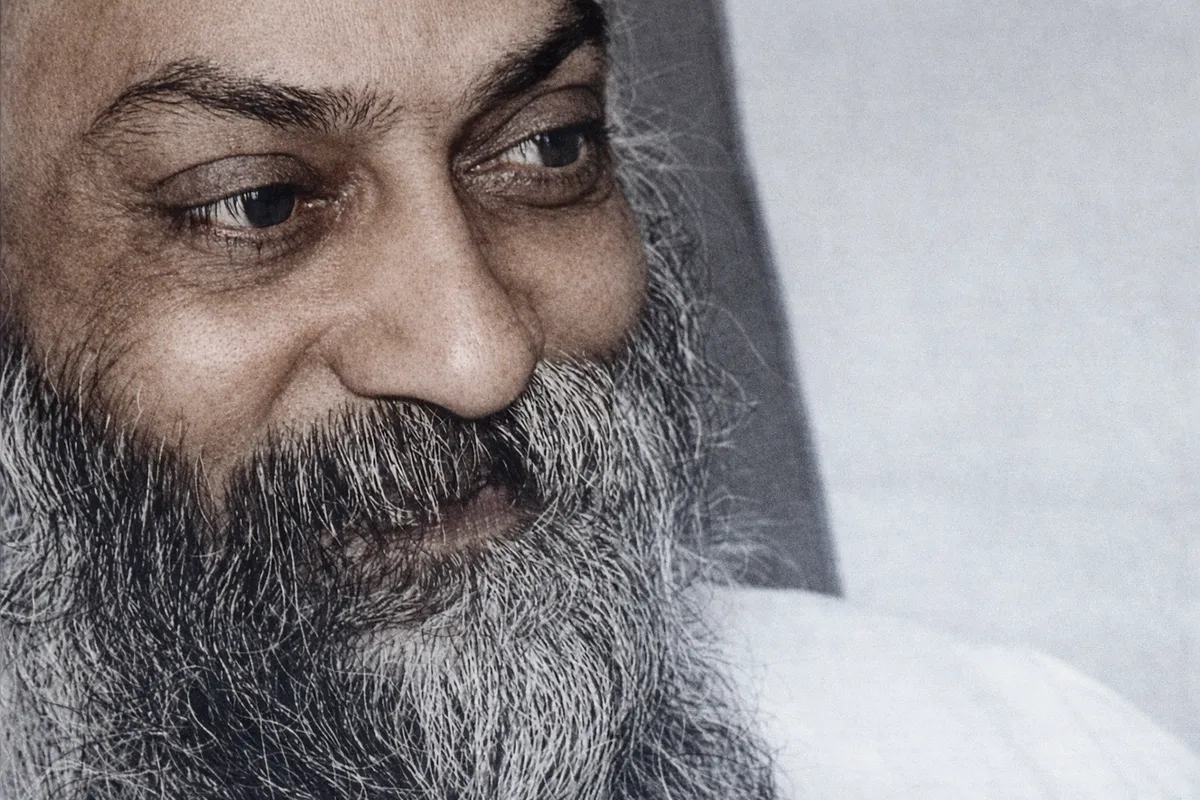
"Tao: The Pathless Path, Vol 2" continues Osho's profound exploration into the enigmatic philosophy of Taoism, emphasizing a journey beyond structured doctrines and rigid paths. Through this series, Osho delves into the essence of embracing life's inherent spontaneity and the art of living naturally according to the Tao, or the fundamental nature of existence. He challenges conventional spiritual methodologies, advocating for an intimate connection with the present moment as the gateway to authentic enlightenment and self-realization. Osho eloquently dismantles the illusion of duality, inviting the seeker to transcend the binaries of right and wrong, success and failure, to find harmony in the flow of life. He offers a refreshing perspective where surrender, not struggle, leads to true freedom. This series is an invitation to relinquish the ego's control and dance harmoniously with the cosmos, celebrating the uniqueness of individual experience while simultaneously dissolving into the universal. With humor and razor-sharp insight, Osho illuminates the way of the Tao as not a path to be followed, but a state of being to be remembered—a return to one's own inner consciousness where simplicity and profound wisdom reside.
-
Chapter 1: The Ultimate Synthesis
Tao is transcendence beyond yin and yang: growth occurs via the feminine ladder—from Eve/Serpent to Virgin Mary—moving past politics and ambition into no‑mind.
-
Chapter 2: A Thousand Pound Sledge Hammer
Each question is unique: a Master answers the questioner, sometimes with a thousand‑pound sledge of love to smash the ego; listen, feel, live, transform.
-
Chapter 3: The Secret Taste of Honey on the Tongue
Memory binds the self; true awakening is 'losing memory' — living herenow like Hua Tzu. Forget past and future to taste the honey of presence.
-
Chapter 4: Tao Tantra
Tao is spontaneity, not technique; relax and be present instead of using sex or rituals as means. Surrender in love frees; intimacy needs honesty.
-
Chapter 5: The Fundamental Rule
Tao: radical non-interference — accept things as they are; Lao Tzu's retort “How do you know your son is abnormal?” exposes conditioning, uniqueness and no judgment.
-
Chapter 6: The Cyclone is the Centre
Spontaneity is danger: surrender into the cyclone that is the centre, lose the ego in relationship's mirror, and find life, love and transformation.
-
Chapter 7: A Tree Grows
Morality is borrowed conformity; religion is inner, organic flowering. Be a tree, not an assembled car—cultivate your own center, not imitated virtues.
-
Chapter 8: For the Sake of Harmony
Allow conflict rather than surrender for false harmony; authentic inner harmony - risking anger, truth and dropping the 'doer' - transforms relations and life.
-
Chapter 9: The Master is a Must
Near-enlightenment appears as illness: ego and dualities collapse into an empty, terrifying space; only a Master can interpret, hold and guide you.
-
Chapter 10: The Song of All Songs
Masters are doors to the same emptiness; choose a living guide, drop possessiveness, honor past teachers, practice open meditation, and ask 'Who am I?'
-
Chapter 11: The Stage of the Sage
True knowing is inner transformation, not information: turn the archer inward, relax into non-doing and let the source shoot the arrow so the sage masters himself.
-
Chapter 12: Stand in Your Son's Shoes
True being transcends accidents like caste or birth; meditate on the positive rather than 'don't', stand in your son's shoes, and trust inner awakening.
-
Chapter 13: Raise no Dust, Leave no Tracks
Tao sees the whole, not parts: like Po-lo's parable of the great horse—true masters perceive essence beyond form, unpredictable, leaving no tracks.
-
Chapter 14: The Ego on the Tip of the Nose
Seeking keeps you from your innate greatness; drop the ego and non-seeking returns you home; you are already the great horse, a being not a becoming.