
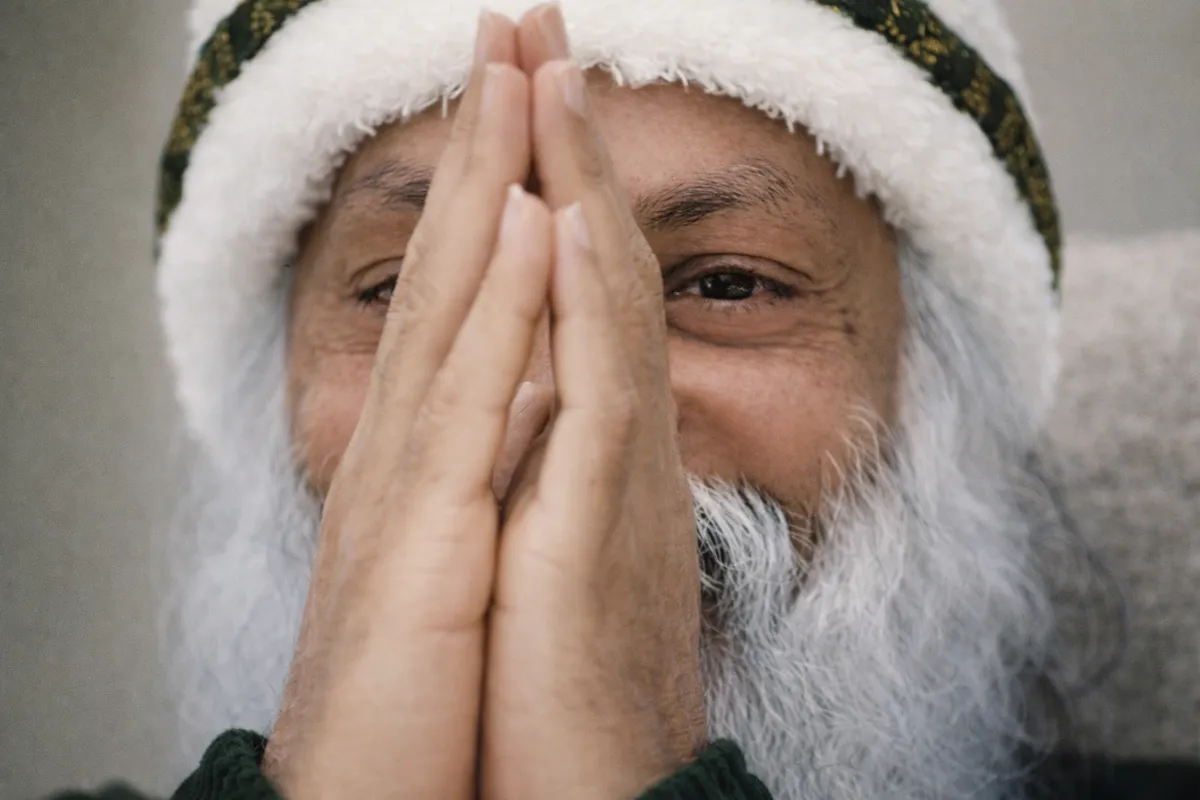
"Tao: The Pathless Path, Vol 1" delves into the enigmatic and profound nature of the Taoist philosophy, as explored by the spiritual teacher Osho. This series captures the essence of the Tao, a concept intrinsically linked to flowing with the spontaneity and harmony of the universe. Osho guides his audience beyond the constraints of structured thought and societal norms, encouraging an embrace of the natural and effortless way of being that the Tao represents. Through his teachings, Osho challenges the conventional longing for direction and destination, inviting seekers to find wisdom in embracing uncertainty and relinquishing control. His discourse dismantles artificial boundaries and aligns with the Taoist notion of 'wu-wei,' or action through non-action, emphasizing the beauty of surrender and acceptance of life's impermanence. The series translates these age-old teachings into a modern context, making them accessible and relevant. Osho's insights provoke a transformative understanding of balance between the self and the cosmos, elevating one's spiritual journey to a pathless path—a journey of attuning to the present moment and living authentically. Through his unique lens, Osho reinvigorates Taoism's timeless wisdom, offering a path towards inner peace and enlightenment.
-
Chapter 1: Voluntary death
Ego must die for awakening: through voluntary inner death and wakeful awareness one knows 'never born, never die'—who then is truly happy and free?
-
Chapter 2: Sublime laziness
Tao is spontaneous, not discipline; undo repression to regain undivided consciousness — educating the subconscious conflicts with Tao's sublime laziness.
-
Chapter 3: Joy has no cause
Joy has no cause; it is uncaused and non-comparative. Confucius asks why; Tao answers: relax, drop consolation, comparison and be, then contentment arises.
-
Chapter 4: No bargain with reality
Only the witness is real; the world is maya-temporary illusion. Drop activity and consolations, observe the inner watcher; no bargain with reality brings truth.
-
Chapter 5: There can be no regret
Happiness is uncaused and immediate: live, don't intellectualize; be free, unambitious, unattached to family or death—why regret when life is presence.
-
Chapter 6: I am a cross to you
Celebrate life: eat, love and sense with mindful awareness; reject masochistic fasting and rigid rules—inner discipline, not denial, leads to joy.
-
Chapter 7: Choose the new
Rest is found in present awareness and authentic living, not in future promises or a tomb; reject wordy philosophies, choose direct experience and the new.
-
Chapter 8: Putting shoes on a snake
Tao is not belief but immediate trust; stop interfering in your own life and others'. A Taoist therapist heals by loving, non-interfering presence (wu wei).
-
Chapter 9: Only forgotten
Emptiness is invaluable: be still, drop desires and past selves to become a hollow vessel for Tao; remember who you are—only forgotten. Lieh Tzu's paradox.
-
Chapter 10: You are blessed
Every person is told 'You are my favourite'—a reminder of unique blessing; live playfully, drop judgment, and blend spiritual fragrances into a universal blessing.
-
Chapter 11: Reality... That which works
True freedom comes from 'knowing'—living, trust, unknowing—rather than borrowed knowledge; drop labels, flow with life, and the pathless path reveals reality.
-
Chapter 12: This is not Kaaba
Belief without lived truth is empty; the Way is arrival—no halfway stations. Drop knowledge and habits, witness without judgment, and choose radical freedom.
-
Chapter 13: Inner integrity
Non-being dissolves ego across body, mind and self; true presence heals rather than pressures - avoid charismatic leakage that enslaves and creates trouble.
-
Chapter 14: Just give way
Nothing is esoteric or separate; God is everywhere. Drop sacred-secular and ego distinctions, surrender like water, be whole, own yourself in the present.