
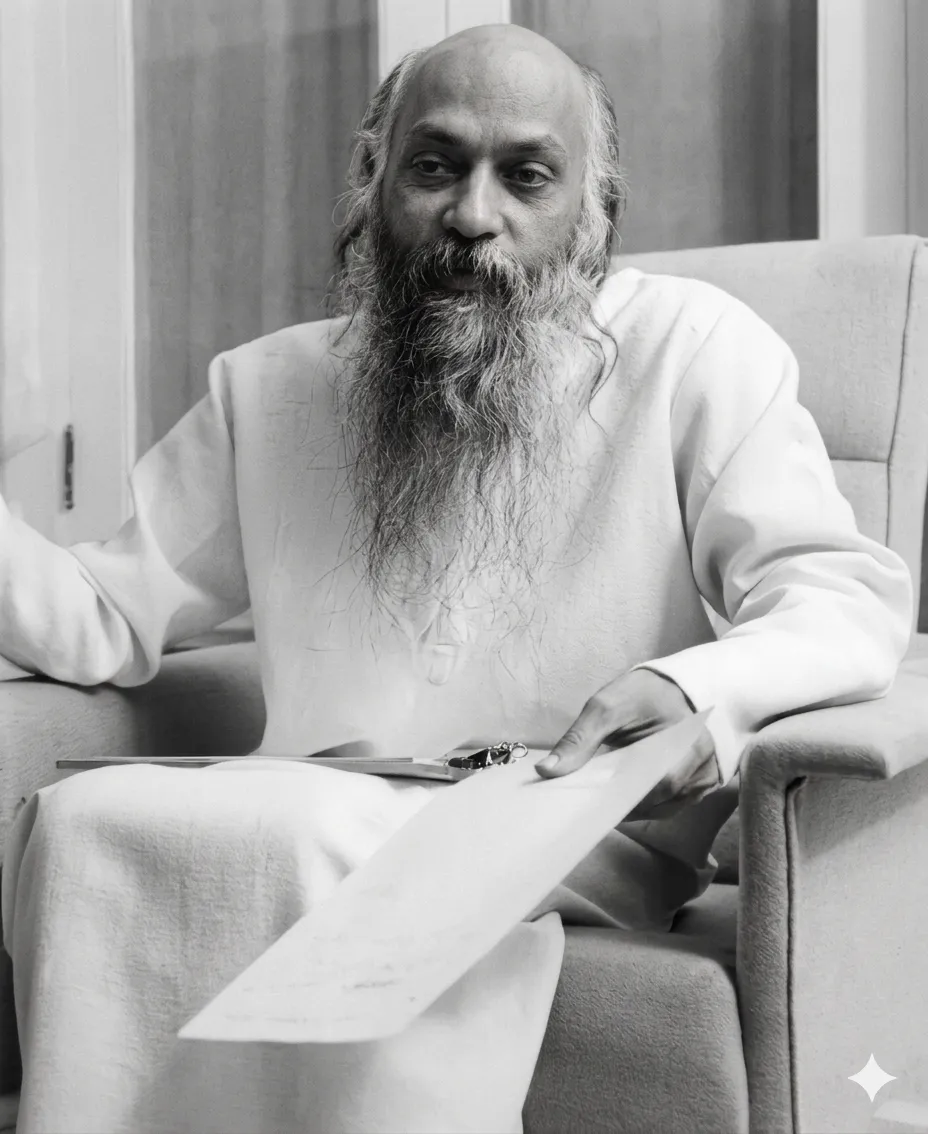
"Socrates Poisoned Again After 25 Centuries" is a profound exploration by Osho that delves into the perennial conflict between individuality and societal conformity. In this series, Osho resurrects the philosophical spirit of Socrates, examining the timeless struggle of the awakened individual against the rigid structures of societal norms and dogmas. Osho illustrates how societies, from ancient Athens to modern times, often react with hostility towards those who question accepted truths and challenge established authority. Through his discourses, Osho emphasizes the vital importance of self-awareness, urging individuals to transcend the limitations imposed by cultural and institutional orthodoxy. By invoking Socrates' legacy, he highlights the courage needed to pursue truth and authenticity in a world that often values conformity over creativity. The series is a call for a new vision where insight and consciousness are valued over blind faith and obedience. Osho invites his listeners to embrace a rebellious spirit, fostering a personal quest for truth and liberation. This journey, he suggests, is not without its risks but is essential for genuine transformation. Osho's unique perspective encourages a fearless embrace of inner wisdom while challenging us to rethink the societal structures that stifle individual potential.
-
Chapter 1: I belong to the whole world
Freedom from all religions and conversions: awaken consciousness by deprogramming, follow Socratic enquiry and choose your death with dignity
-
Chapter 2: Time knows only the present tense
Dualities collapse when love, goodness or godliness arise from meditative presence; true life is lived only in the present, beyond past and future.
-
Chapter 3: The well is going to the thirsty
Inner paradise creates outer paradise; presence, not plans, dissolves the past and attracts the thirsty—Osho's call for individual awakening and global sannyas.
-
Chapter 4: The art of not planning life
Embrace the art of not planning life: surrender to existence, trust spontaneous unfolding; champion individualistic, anarchic communism, free love, and communes.
-
Chapter 5: Existence does not like carbon copies
Existence hates carbon copies: drop borrowed religion and conditioning; be Zorba-to-Buddha — authentic, unrepeatable inner experience frees man.
-
Chapter 6: If you can get it, get it
Be a clean mirror: meditate to remove society's dust, return to innocent rebirth; silence and love speak beyond words—if you can get it, get it.
-
Chapter 7: Zorba is my past: buddha is my present
Socratic dialogue is for the blind; enlightenment transcends words - silence and witnessing the mind let Zorba (full-bodied life) become Buddha, a unified whole.
-
Chapter 8: The center of the cyclone
Utter inner silence and trust in existence protect the seeker amid persecution; meditate as watcher to disidentify from mind - freedom transcends politics.
-
Chapter 9: Truth is a search, not a faith
Truth is a search, not a faith - reject organized religion; seek through meditation and freedom. Going to Italy to rediscover its pagan, living spirit.
-
Chapter 10: Pope the polack is the antichrist
Organized religion thrives on fear and priestly power; Osho calls the Pope 'antichrist' and urges personal enquiry, consciousness, and freedom from priests.
-
Chapter 11: Utopia is just around the corner
Utopia becomes possible when individuals change through meditation: by becoming the watcher beyond the mind, Zorba's roots can flower into Buddha's awakening.
-
Chapter 12: You are accepted by the whole universe
Obedience, chastity and poverty crush human intelligence and life’s orgasmic and creative energy; accept yourself—you're embraced by the whole universe.
-
Chapter 13: Growing your own consciousness
Rules and institutions enslave; grow your consciousness quietly through meditation and communes, dissolving authoritarian family- and state-structures.
-
Chapter 14: It is your mind again
Hate keeps God alive as a mind-projection; true freedom comes when you release this fiction through understanding, not anger, and create your own life.
-
Chapter 15: The logic of the ostrich
Life is not a philosophy but a way of being: live moment-to-moment without resentment, with compassion and freedom; awaken individuals to transform society.
-
Chapter 16: Only idiots are consistent
Only idiots are consistent: contradiction is intelligence. Live beyond the mind; decide to wake, drop ego and attachments, and taste freedom's fragrance.
-
Chapter 17: This too will pass
Accept all moods as passing, live as the silent watcher; joy and misery come and go, so move in the marketplace without identifying with others' energies.
-
Chapter 18: Logic is a prostitute
Truth renders one childlike and called foolish; youth suicide is a protest against a dead civilization, urging rebellion, transformation and meditation.
-
Chapter 19: Rabbis and rubbish!
Non-doing and love create a spontaneous movement: sitting silently, doing nothing lets consciousness grow; deconditioning, not brainwashing, transforms people.
-
Chapter 20: Health: overflowing energy of life
Health is overflowing life-energy and oneness with nature; medicine must be holistic, preventing sickness and restoring inner wholeness through meditation.
-
Chapter 21: The fear of tomorrow destroys your today
Fear of tomorrow destroys your today: possessiveness and jealousy poison love. Live utterly in the moment, let the heart lead to being, not the mind.
-
Chapter 22: The whole existence is with you
Earth is unique: life and consciousness culminate here; existence lives through you—awaken self-awareness, joy and totality to fulfill existence.
-
Chapter 23: A new world a new man
The old world must die so a new man can be born: inner transformation, individual responsibility and joyous living replace rotten scriptures and false prophets.
-
Chapter 24: Spirituality is not for sale
Spirituality cannot be sold; love is lived divinity, masters are guides not owners, and nations, churches and media often fear and persecute living truth.
-
Chapter 25: Consciousness is contagious
Consciousness is contagious and will spread like wildfire; Osho honors Krishnamurti yet says true transformation must move from head to heart.
-
Chapter 26: Sympathy is a false coin
Prosperity often masks inner poverty: people cling to suffering for sympathy, mistaking it for love; true wealth is inner awakening and love as God.
-
Chapter 27: Existence is never wrong
Patience yields a fusion of business and meditation; existence favors the new man whose spontaneous, lived-now courage replaces past religiosity and old roles.
-
Chapter 28: Peace or mind
Mind is a beggar, forever craving more; religiousness is innate innocence to be remembered, not achieved. Choose peace (no-mind) over the restless mind.