
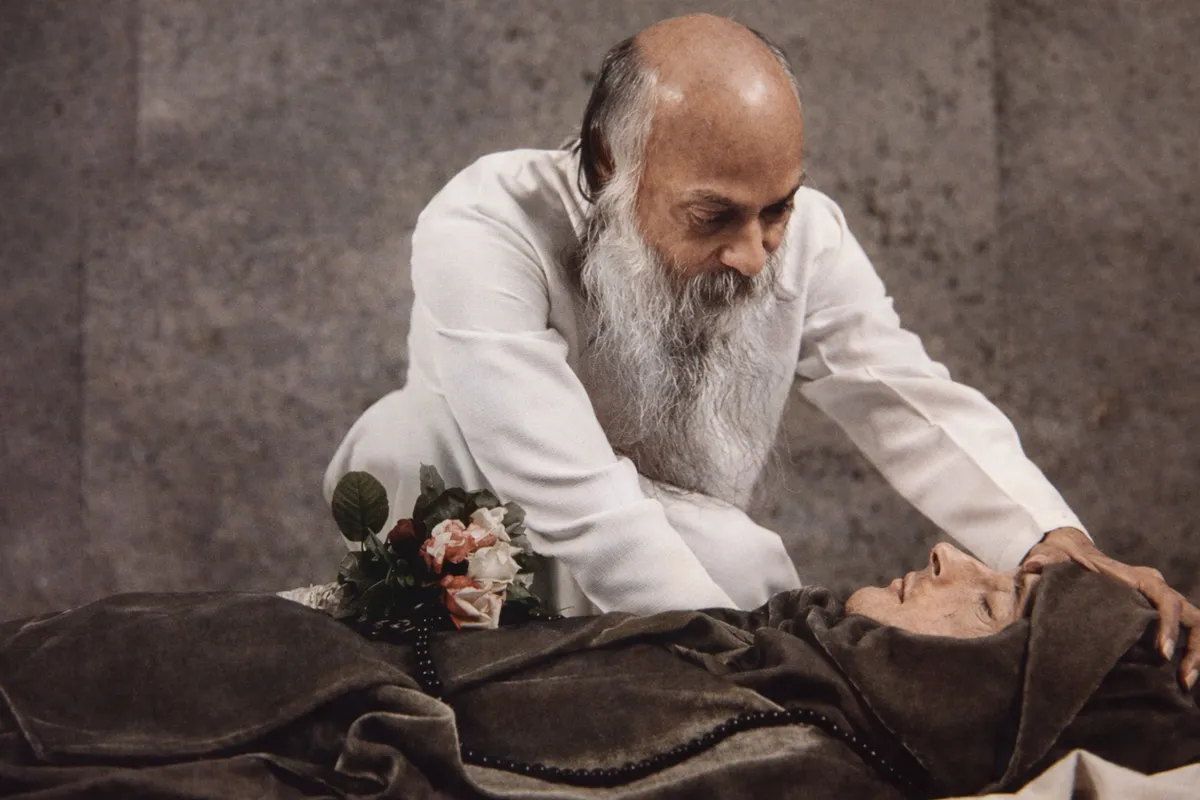
ओशो के अनुसार, पलायनवादी न तो सचमुच प्रेम कर सकता है, न अहिंसक हो सकता है; वह केवल उनका अभिनय करता है, उन्हें एक कवच की तरह ओढ़ लेता है, ताकि संघर्ष से बच सके। सच्चा प्रेम और अहिंसा एक ही सार हैं—वे जीवन के संघर्षों से जन्मी भीतरी वैयक्तिकता से उठते हैं। केवल वही व्यक्ति, जो चुनौतियों में तपकर निखरा हो, जिसके भीतर आनंद फूल की तरह खिल उठा हो, जीवंत प्रेम को विकीर्ण करता है—ऐसा प्रेम जो आक्रमण के समय भी बना रहता है; वह भय की कोई रणनीति कभी नहीं होता।
प्रवचनों से
जहां ओशो इस प्रश्न पर बोले — हर अंश पूरे प्रवचन से जुड़ा है।
क्या मैं यह समझूँ, ओशो, कि पलायनवादी प्रेम नहीं कर सकता और अहिंसक नहीं हो सकता?
हां, पलायनवादी न तो प्रेम कर सकता है, न अहिंसक हो सकता है। लेकिन पलायनवादी प्रेम करता हुआ दिखाई पड़ सकता है, और वह अहिंसा का चोला भी ओढ़ सकता है—और अक्सर वह ठीक यही करेगा। पलायनवादी प्रेम नहीं कर सकता, क्योंकि अभी उसका जन्म ही नहीं हुआ; अभी वह है ही नहीं। प्रेम कौन करेगा? जैसा मैंने कहा है, यह उस पर निर्भर नहीं करता जिसे प्रेम किया जाता है; यह उस पर निर्भर करता है जो प्रेम करता है। केवल वही प्रेम कर सकता है जिसके भीतर व्यक्तित्व का उदय हुआ हो, जिसका व्यक्ति जन्मा हो। और व्यक्ति संघर्ष और चुनौती से जन्मता है, रोज-रोज लड़ते हुए—ठीक जैसे कोई मूर्तिकार पत्थर को छैनी से तराशता है। यदि पत्थर कटने और चोट खाने से इनकार कर दे, तो कोई मूर्ति प्रकट नहीं होती; वह एक खुरदरी चट्टान ही रह जाता है। जीवन के संघर्ष भीतर की मूर्ति को निखारते हैं। यदि हम उनसे इनकार कर दें, तो हम पत्थर ही रह जाते हैं। यदि व्यक्तित्व, आत्मा, अस्तित्व अभी भीतर जागे ही नहीं, तो वहां कौन है…
मैं अहिंसा के संबंध में बहुत सोचता था, लेकिन उसके बारे में जो कुछ भी मैंने सुना, वह सब मुझे बहुत सतही लगा। वह मेरी बुद्धि को छूता था, मेरे हृदय को नहीं। और धीरे-धीरे मैं समझ गया कि क्यों। जिस अहिंसा की बात सभी करते थे, वह नकारात्मक थी। नकारात्मक बुद्धि से अधिक गहराई में कभी नहीं जा सकता; जीवन को छूने के लिए कुछ सकारात्मक चाहिए। यदि अहिंसा से अर्थ केवल हिंसा का त्याग ही हो, तो उसका वास्तविक त्याग से कभी कोई संबंध नहीं हो सकता—त्याग में नकारात्मक के साथ-साथ सकारात्मक भी होता है। “अहिंसा” शब्द के इसी नकारात्मक स्वरूप ने उसे इतना भ्रामक बना दिया है। शब्द नकारात्मक है, लेकिन जिस अनुभव की ओर वह संकेत करता है, वह सकारात्मक है। अहिंसा शुद्ध प्रेम का अनुभव है—ऐसे प्रेम का, जो किसी भी चीज से तनिक भी आसक्त नहीं है।
ओशो, इसी सूत्र को आगे बढ़ाते हुए, एक छोटा-सा प्रश्न: हिंसा की अवस्था में और अहिंसा की अवस्था में, जीवन-ऊर्जा, जीवन-शक्ति की स्थिति में क्या अंतर होता है?
पहाड़ों से दौड़ता हुआ पानी नीचे की ओर भागता है; वह गड्ढे खोजता है, खाइयां खोजता है, झीलें खोजता है—वह उतरता है, तेजी से नीचे की तरफ जाता है। फिर वही पानी, गरम होकर, वाष्प बन जाता है। वह आकाश की ओर दौड़ने लगता है। वही का वही पानी ऊंचाइयों को खोजने लगता है, बादलों की छाती पर सवार हो जाता है, सूर्य की यात्रा पर निकल पड़ता है। पानी वही है, ऊर्जा वही है, लेकिन एक रूपांतरण घट गया, एक क्रांति हो गई। हिंसक मन गड्ढे और खाइयां खोजता है; वह नीचे की ओर बहता है। अहिंसक मन वाष्पमय हो जाता है; वह पर्वत-शिखरों को खोजने लगता है, आकाश की यात्रा शुरू हो जाती है, ऊपर की उड़ान शुरू हो जाती है; वह सूर्य के पथ पर निकल पड़ता है, मुक्ति और परमात्मा की ओर उन्मुख हो जाता है। हिंसक मन सदा दूसरे को खोजता है; दूसरा ही खाई है। अहिंसक मन स्वयं को खोजता है। स्वयं को खोजना ही ऊंचाई है। क्योंकि जब भी हम दूसरे को खोजते हैं, हम पहले ही चल पड़े होते हैं…
प्रिय ओशो, कभी-कभी स्पष्टता और हल्केपन के क्षणों के बाद ऐसा लगता है कि पुराने घनिष्ठ साथी—जैसे हिंसक भावनाएँ, ईर्ष्या, क्रोध से भर जाना, इत्यादि—पहले से भी अधिक प्रबल होकर लौट आते हैं, मानो वे फिर अपना मौका पाने के लिए बस पास ही कहीं इंतज़ार कर रहे थे। क्या आप कुछ कहेंगे?
देवम क्रांति, मैं कुछ कह सकता हूँ, लेकिन हिंसा, ईर्ष्या और प्रचंड क्रोध की वे भावनाएँ फिर भी कोने में खड़ी प्रतीक्षा करती रहेंगी। मेरे कुछ कह देने भर से वे मिटने वाली नहीं हैं—क्योंकि अनजाने में तुम उन्हें पोषित कर रहे हो; अनजाने में ही उनसे मुक्त होने की तुम्हारी इच्छा बहुत सतही है। तुम ठीक वही नहीं कर रहे हो जिस पर मैं लगातार ज़ोर देता आया हूँ; तुम ठीक उसका उलटा कर रहे हो। तुम अंधकार से लड़ रहे हो, और प्रकाश को भीतर नहीं ला रहे हो। तुम अंधकार से जितनी देर चाहो लड़ते रह सकते हो—तुम विजयी नहीं होने वाले। इसका अर्थ यह नहीं कि तुम अंधकार से कमजोर हो; इसका सीधा-सा अर्थ है कि तुम जो कर रहे हो, उसका अंधकार से कोई संबंध ही नहीं है। अंधकार केवल एक अभाव है। तुम सीधे-सीधे उसके साथ कुछ नहीं कर सकते—बस प्रकाश को भीतर ले आओ। और ऐसा नहीं है कि जब…
नक्शबंदी दरवेशों के महान गुरु बहाउद्दीन अल-शाह एक दिन बुखारा के विशाल चौक में अपने एक सहधर्मी से मिले।
नया आया हुआ व्यक्ति मलामतियों का एक भटकता हुआ कलंदर था—वे जिन्हें “निंदनीय” कहा जाता है। बहाउद्दीन शिष्यों से घिरे हुए थे। “तुम कहां से आ रहे हो?” उन्होंने यात्री से पूछा, सूफियों के सामान्य ढंग से। “मुझे कुछ पता नहीं,” दूसरे ने मूर्खों की तरह मुस्कुराते हुए कहा। बहाउद्दीन के कुछ शिष्य इस अनादर पर असहमति में बड़बड़ाए। “तुम कहां जा रहे हो?” बहाउद्दीन ने फिर पूछा। “मुझे नहीं मालूम,” दरवेश चिल्लाया। “अच्छा क्या है?” अब तक एक बड़ी भीड़ इकट्ठी हो चुकी थी। “मुझे नहीं मालूम।” “बुरा क्या है?” “मुझे कुछ पता नहीं।” “ठीक क्या है?” “जो कुछ मेरे लिए अच्छा है।” “गलत क्या है?” “जो कुछ मेरे लिए बुरा है।” भीड़, इस दरवेश से धैर्य की सीमा से आगे तक चिढ़कर, उसे वहां से भगा ले गई। वह चला गया, बड़े उद्देश्यपूर्ण कदमों से उस दिशा में बढ़ता हुआ जो, जहां तक किसी को पता था, कहीं भी नहीं जाती थी। “मूर्खो,” बहाउद्दीन नक्शबंद ने कहा, “यह आदमी मनुष्यता की भूमिका निभा रहा है। जब तुम उसका तिरस्कार कर रहे थे, वह जान-बूझकर…”