
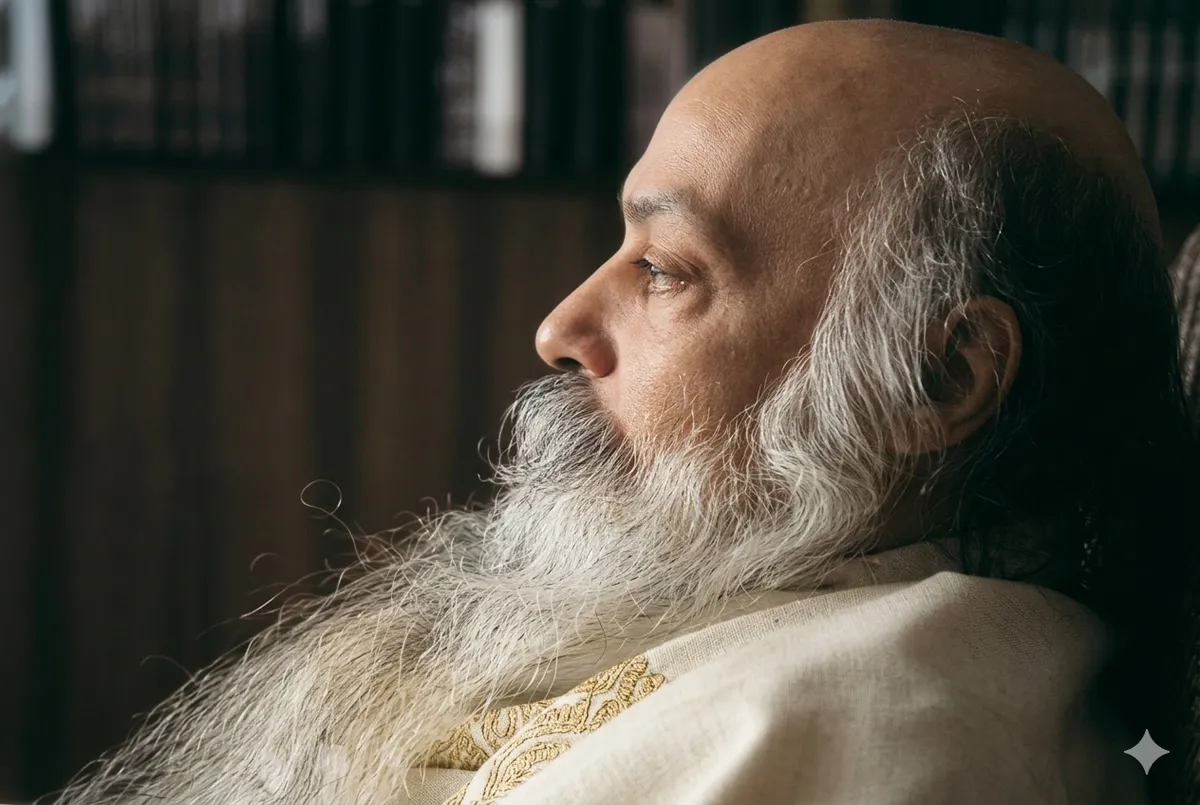
ओशो के अनुसार, प्रेम समय और स्थान को मिटा देता है; वह चेतना को कालातीत से जोड़ता है, दूरी से बंधे शरीरों को नहीं। मीरा ने कृष्ण के विलीन हो चुके रूप से प्रेम नहीं किया, बल्कि उनके सदा उपस्थित सार से प्रेम किया। अपनी अडिग भक्ति से उसने उन्हें अपना समकालीन बना लिया, क्योंकि प्रेम मृत्युहीन के लिए खिड़की खोल देता है। इसलिए प्रेम की तीव्रता—कालक्रम या निकटता नहीं—सच्चे मिलन को संभव बनाती है, और कृष्ण को पांच हजार साल के पार भी मीरा के लिए उपलब्ध कर देती है।
प्रवचनों से
जहां ओशो इस प्रश्न पर बोले — हर अंश पूरे प्रवचन से जुड़ा है।
ओशो, मीरा का मार्ग प्रेम का मार्ग था, लेकिन कृष्ण और मीरा के बीच पाँच हजार वर्षों का अंतराल था। फिर यह प्रेम कैसे घटित हो सका? कृपया समझाएँ।
प्रेम के लिए न समय की कोई दूरी है, न स्थान की। प्रेम ही वह एक कीमिया है जो समय और स्थान दोनों को मिटा देती है। जिससे तुम्हारा प्रेम नहीं है, वह तुम्हारे बिलकुल पास बैठा हो, देह से देह छू रही हो, तो भी तुम हजारों मील दूर हो। और जिससे तुम्हारा प्रेम है—वह चाहे दूर चांद-तारों के बीच बैठा हो—वह सदा तुम्हारे पास है। जीवन में प्रेम ही एकमात्र अनुभव है, जहां समय और स्थान दोनों व्यर्थ हो जाते हैं। प्रेम ही एकमात्र अनुभव है जो न स्थान की दूरी को मानता है, न समय की दूरी को; वह दोनों को मिटा देता है। परमात्मा की परिभाषा में कहा गया है: वह समय और स्थान के पार है, कालातीत है। जीसस ने कहा है, “प्रेम ही ईश्वर है”—इसी कारण। मनुष्य के अनुभव में केवल प्रेम ही कालातीत है और स्थानातीत है; उसी के द्वारा परमात्मा से संबंध संभव है। इसलिए इससे कोई फर्क नहीं पड़ता कि कृष्ण पांच…
ओशो, आपने कहा, “तुमसे पहले मैं ऐसे दो जोड़ों को मिला चुका हूँ; तुम तीसरा जोड़ा हो।” लेकिन ओशो, मुझमें तो कोई पात्रता ही नहीं है—फिर आपने मुझे कैसे चुना? कृपा करके मुझे बताइए।
कृष्ण चेतना, प्रेम ही एकमात्र तत्व है जो मृत्यु पर विजय पाता है। बाकी सब मृत्यु से हार जाता है। जीवन और मृत्यु के बीच कोई विरोध नहीं है। असली विरोध प्रेम और मृत्यु के बीच है। जीवन और मृत्यु विरोधी कैसे हो सकते हैं? जीवन की परिणति सदा मृत्यु में होती है। मृत्यु जीवन का फल है, उसका परिणाम है। जीवन यात्रा है; मृत्यु मंज़िल है। उनमें संघर्ष कैसे हो सकता है? अनिवार्य रूप से, हर जीवन मृत्यु में लीन हो जाता है। इसलिए मृत्यु जीवन का परम शिखर है; वह जीवन की शत्रु नहीं हो सकती। फिर मृत्यु का विरोध किससे है? प्रेम से। प्रेम ही एकमात्र तत्व है जिसके सामने मृत्यु पराजित हो जाती है, जिसके आगे मृत्यु समर्पण कर देती है। इसे समझो। इसीलिए, जिसके हृदय में प्रेम भरा है, उसका भय विलीन हो जाता है—क्योंकि सारा भय मृत्यु का भय है। और जो भयभीत है, उसके जीवन में प्रेम का बीज अंकुरित नहीं हो सकता। भयभीत व्यक्ति…
ओशो! मैं प्रियतम की खोज में निकला हूँ; प्रियतम से मिलन कैसे होता है?
योग नीलम! प्रियतम दूर नहीं है। इतना भी दूर नहीं कि किसी मिलन की जरूरत पड़े। केवल विस्मरण हुआ है, वियोग नहीं। वियोग हो ही नहीं सकता। प्रियतम भीतर विराजमान है। वह हमारी सांसों की सांस है, हमारे हृदय की धड़कन है। उसके बिना हमारा कोई अस्तित्व नहीं। वह है, इसलिए हम हैं। जैसे सागर है, वैसे ही लहरें हैं। सागर लहरों के बिना हो सकता है, लेकिन लहरें सागर के बिना नहीं हो सकतीं। फिर भी एक लहर भ्रांति में पड़ सकती है—यह भ्रांति कि “मैं सागर से अलग हूं।” उसी भ्रांति में विस्मरण हो जाता है। केवल विस्मरण होता है; वियोग नहीं हो सकता। प्रियतम की सारी खोज स्मरण के अतिरिक्त और कुछ भी नहीं है—पुनः-स्मरण। इसीलिए संतों ने इस खोज को सुरति कहा है। सुरति का अर्थ है स्मरण, याद। सुरति, स्मृति शब्द का लोक-रूप है। जिसे बुद्ध ने स्मृति कहा, कबीर और नानक के समय तक वही सुरति हो गया—और प्यारा,…
देजा वू हुआ। पिछले जन्म की एक स्मृति उठ आई। वह मूर्ति ऐसी थी कि चित्र पर चित्र खुलने लगे। वह मूर्ति एक उत्प्रेरक बन गई—और फिर से कथा शुरू हो गई। मीरा चौंक उठी। कृष्ण का रूप फिर उसकी स्मृति में लौट आया। फिर वही सांवला मुख, वे बड़ी-बड़ी आंखें, वह मोरपंखों का मुकुट, वह बांसुरी बजाते कृष्ण—मीरा अपनी स्मृति में हजारों वर्ष पीछे चली गई। वह रोने लगी। वह साधु से मूर्ति मांगने लगी, गिड़गिड़ाने लगी। लेकिन साधु को भी अपनी मूर्ति से बड़ा लगाव था। उसने देने से इनकार कर दिया; वह आगे चला गया। पूरा दिन बीत गया। मीरा ने न भोजन किया, न पानी पिया। उसकी आंखों से आंसू बहते रहे—वह निरंतर रोती रही। उसके परिवार वाले घबरा गए, अब क्या किया जाए? साधु तो चला गया, उसे कहां खोजा जाए? और क्या वह मूर्ति देगा? बहुत कठिन है।
प्रिय ओशो, आपकी उपस्थिति में मैं एक गर्माहट भरा प्रेम महसूस करता हूं, और अब मुझे एहसास होता है कि जब मैं आपके निकट नहीं होता, तो यह उसी तरह नहीं घटता। क्या यह अब भी सच है कि गुरु और शिष्य के महान संबंध में समय और स्थान से कोई फर्क नहीं पड़ता?
लोगों की समझ बिलकुल गलत थी कि आनंद, जो फूट-फूटकर रो पड़े थे, उन्होंने गुरु को सबसे अधिक प्रेम किया होगा। पूछे जाने पर उन्होंने कहा, “मैं इसलिए रो रहा हूं कि वे जीवित थे, और बयालीस वर्षों तक मैं उनका सबसे अंतरंग शिष्य रहा—अंतरंग इस अर्थ में कि मैं सदा उनके साथ रहा। इन बयालीस वर्षों में एक दिन के लिए भी मैं उनसे अलग नहीं हुआ; रात में भी मैं उनके कमरे में ही सोता था, बस इसलिए कि अगर उन्हें किसी चीज की जरूरत हो तो मैं मौजूद रहूं। मैं इसलिए नहीं रो रहा हूं कि मैं सबसे अंतरंग था; मैं इसलिए रो रहा हूं कि इतनी लंबी शारीरिक निकटता के बावजूद भी मैं उनसे अलग ही रहा। कुछ न कुछ बाधा की तरह बना ही रहा।” गौतम बुद्ध अभी मरे नहीं थे। उन्होंने अपनी आंखें बंद कर ली थीं, और वे शाश्वत में विश्राम कर रहे थे। वे लौटे, आंखें खोलीं, और आनंद से कहा, “चिंता मत करो। यह मेरा…”