
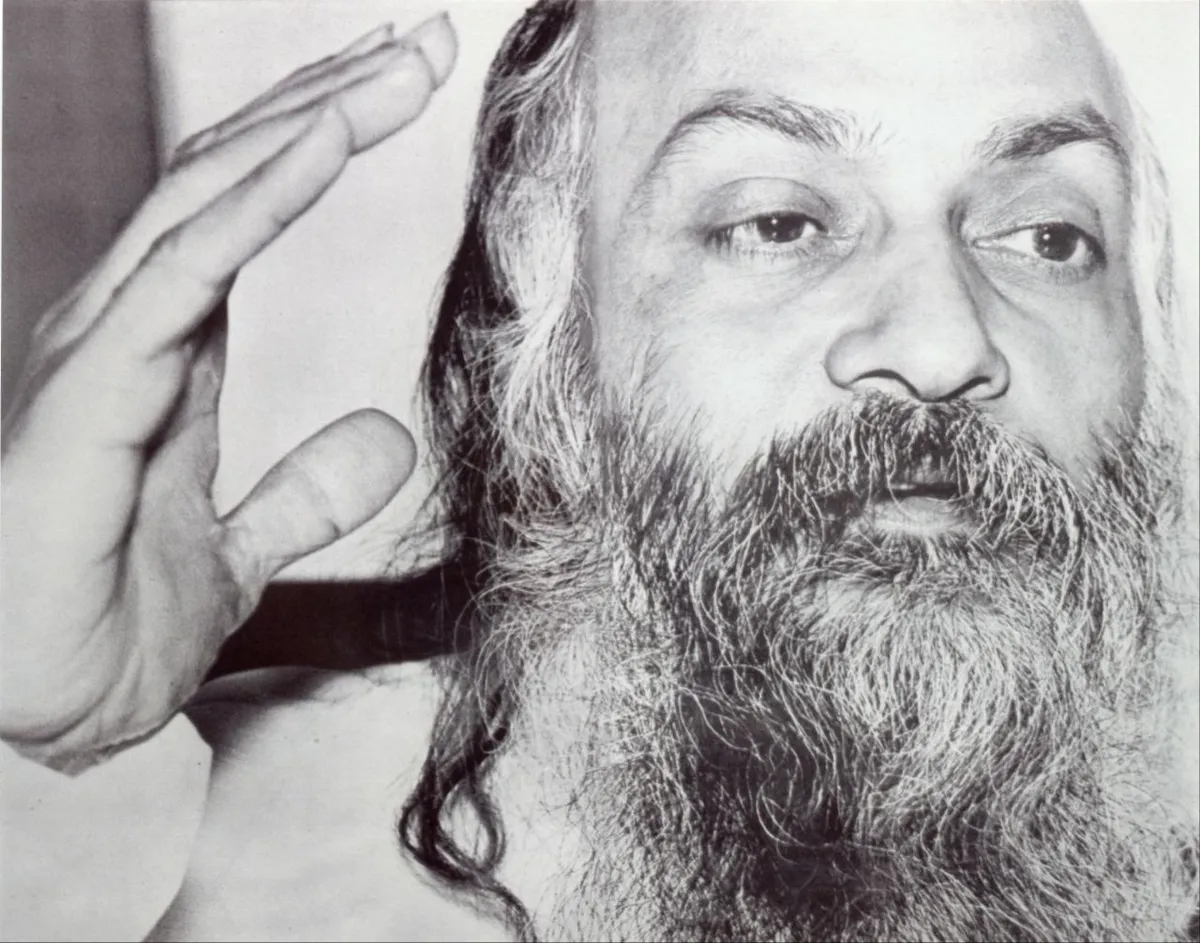
"Prem Panth Aiso Kathin" is a profound exploration of the existential journey towards understanding the concept of Paramatma, or the Divine, through the teachings of Osho. Central to this discourse series is the distinction between intellectual comprehension and experiential realization. Osho emphasizes that Paramatma transcends the boundaries of intellect and rationality; it is an essence that cannot be grasped by mere understanding. Instead, the true nature of the divine is known through the heart, through love and tenderness. This exploration delves into the inadequacy of conventional instruments of knowledge—intellect, logic, and senses—in the quest for the divine. Osho articulates that just as each sensory organ has its own particular function, the heart has a unique capacity to connect with Paramatma through love, rather than through the limited scope of thought. Love becomes the gateway to the unknowable, offering a richer, more intuitive, and deeply personal profoundness. By distinguishing between knowing and loving, Osho offers a transformative perspective where spirituality emerges not as a conclusion of thoughts, but as an unfolding path of open-hearted experience and deep inner communion with the divine essence beyond mind’s grasp.
-
Chapter 1
True bhakti demands inner transformation: love as being, not ritual. The path of love is a fiery inner trial requiring meditation and authentic thirst.
-
Chapter 2
Paramatma is the unknowable beyond intellect; it is known not by reasoning but by the heart, love and the witnessing seer—drop thought, enter feeling and trust.
-
Chapter 3
Religious freedom means the individual's right to choose and taste every faith; political coercion, bribery and hypocrisy corrupt religion and deny dignity.
-
Chapter 4
A skull’s tambourine of thought hides Shri Hari—devotion requires dropping ego; holy madness of love reveals truth, meditation births spontaneous song.
-
Chapter 5
Samadhi cannot be stolen; it must be awakened within through resonance, not given. Satsang kindles longing and trust while the seeker digs inward to uncover their own lamp.
-
Chapter 6
Love cannot be done; it happens when conditioning, ego and falsehoods are removed. The path of love is clearing inner obstructions so love can flow.
-
Chapter 7
Sannyas is an endless pilgrimage: accept incompleteness, witness bliss and sorrow, ripen in your own time; spread love and light by becoming it.
-
Chapter 8
The Divine is already here; stop seeking outwardly, become still, light the inner lamp and offer authentic prayer—only inner silence allows God's arrow to pierce the heart.
-
Chapter 9
Meditation or devotion? Stop the mind's dithering, decide from the heart and act; both paths lead to the Divine, carried by trust not doubt.
-
Chapter 10
The 'impossible' is awakening: your bag was always full - obstacles removed reveal joy; prayer arises when the ego is defeated and meditation frees, not harms.
-
Chapter 11
A relentless ache of divine longing is the blessed wound: ego must dissolve; love is virtue, not sin; live fully and seek inner freedom against the crowd.
-
Chapter 12
Sannyas decayed through punditry, denial and imitation; true sannyas is expansive, creative love of God arising from inner emptiness and meditation.
-
Chapter 13
Buddhas do not reincarnate; their essence reappears — Maitreya means friendship to restore human connection; accept joy, transform worldly love into higher love
-
Chapter 14
Will longing arise in my dry heart? Osho: the heart is never dry—stop living in the head, descend into feeling; God is experienced, not proved.
-
Chapter 15
Open your eyes: God is the inner witness; meditation or love awaken the inner sight—stop searching outward, learn to witness and the Divine reveals itself, and life becomes divine.