
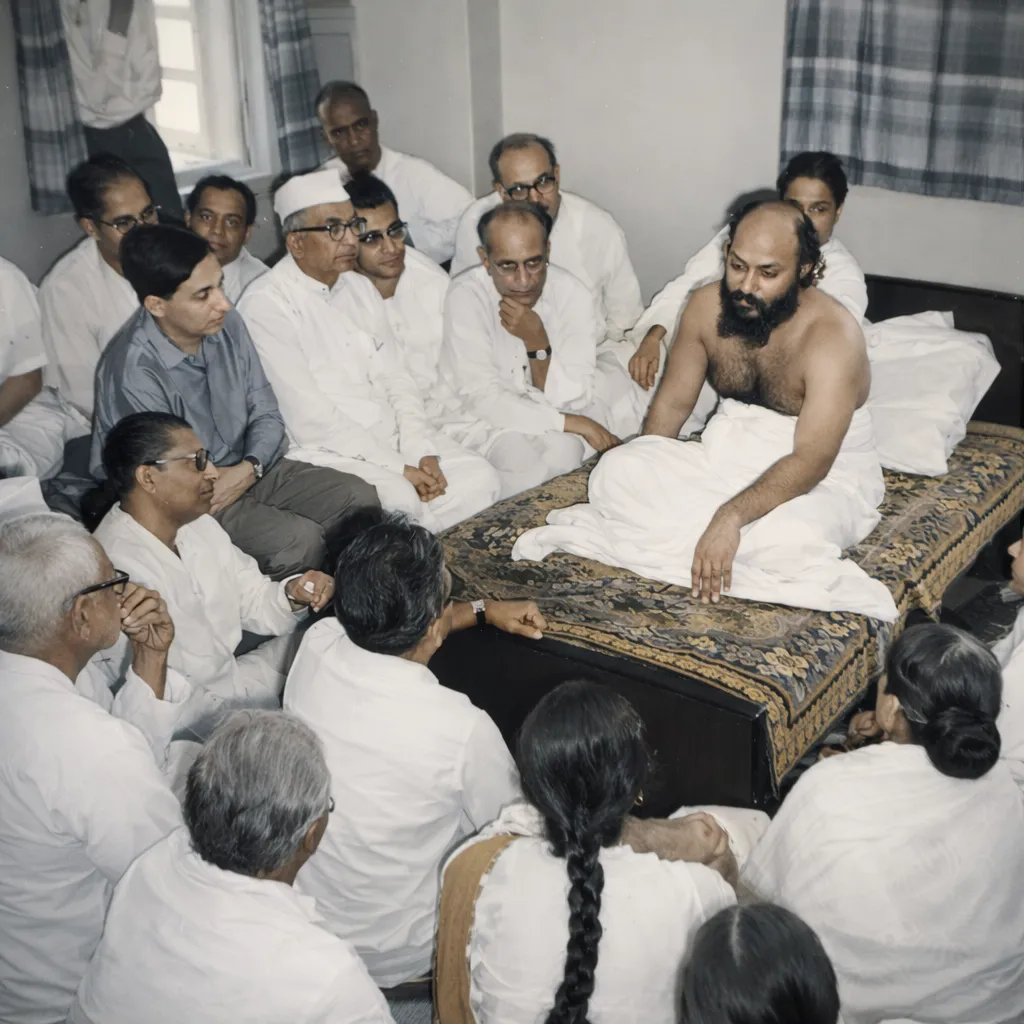
"Preetam Chhabi Nainan Basee" navigates the profound intricacies of human attachment and the innate quest for inner fulfillment with Osho’s characteristic depth and clarity. In this discourse series, Osho explores the concept of attachment as a manifestation of the absence of self-realization, likening it to darkness, which holds no independent reality but exists solely as an absence of light. He emphasizes the transformative power of inner awareness by encouraging seekers to turn inward and discover the boundless treasure within. Osho's teachings unravel the illusory nature of external dependencies and elaborate on the futility of filling one's inner void with material accumulation or rigid ideologies. Through poignant analogies and insightful reflections, he challenges the conventional ways individuals seek contentment, stressing that true peace emanates from the internal discovery of one’s intrinsic richness. Osho’s discourse serves as a guide towards self-illumination, where embracing one's own spiritual wealth replaces the need for external attachments. This journey into self-awareness not only dispels attachments but also invites the ultimate joy and profound synchronicity with existence, revealing a life of fulfillment and authentic freedom.
-
Chapter 1
The Beloved must descend to fill inner emptiness; outer wealth cannot, so surrender ego, remember your true self, and sit in silence. Act: surrender, sit in silence.
-
Chapter 2
Awakening is not a distant journey but an inner shift from dream to truth; don't cling to moon-reflections—use glimpses as ladders to the other shore.
-
Chapter 3
Afraid of neo-sannyas? Fear comes because the mind clings to the past; neo-sannyas demands courage to live in the present, a joyful, solitary awakening.
-
Chapter 4
Will I miss you again? Ego's illusion hides the Divine—shed the 'I'; true sannyas honors life, drops vows and proprietorship, freeing love and presence.
-
Chapter 5
Names and borrowed questions deceive; awaken to namelessness and questionlessness, become the witness within, and let true love (not attachment) arise.
-
Chapter 6
Attachment is the symptom of inner emptiness; self-knowledge is the light that dissolves it. True prayer is wordless gratitude; politics expose human pettiness.
-
Chapter 7
Can India become young again? By dying to the past: drop maya, balance inner and outer, revive creativity, embrace present courage and service.
-
Chapter 8
True devotion, knowledge and action must arise from one's own nature, not borrowed influence; inner silence, inquiry and direct experience reveal the divine.
-
Chapter 9
Agnosticism frees you from the theist-atheist trap: choose neither yes nor no, cultivate choiceless awareness, and seek self-knowing rather than arguing about God.
-
Chapter 10
True prayer is gratitude and surrender, not asking; when it arises it is already fulfilled. Silence and listening reveal the Divine beyond words.
-
Chapter 11
Sambodhi is the inner eye cleared of dreaming dust; meditation awakens innate Buddha-nature and joy, so become 'self-ish' to truly give to others.
-
Chapter 12
Planned procreation can cultivate genius: Osho argues accidental sages arose by chance; with science and communes we can design births to foster excellence.
-
Chapter 13
Give science the foundation to create healthy superior bodies so enlightened souls can blossom—can science also ensure superior souls enter them?
-
Chapter 14
Religion is acceptance of your suchness and rebellion against imposed beliefs and traditions; find God by inner search, not by inherited pacifiers.
-
Chapter 15
Freedom arises when consciousness masters the mind: innocence or no-mind lets life be present, ending past-future delusion and opening silence.
-
Chapter 16
Laughter is sacred worship: true joy dissolves ego and leads to liberation; meditate to know God, share inner riches, and let playful awareness replace stifling panditry.