
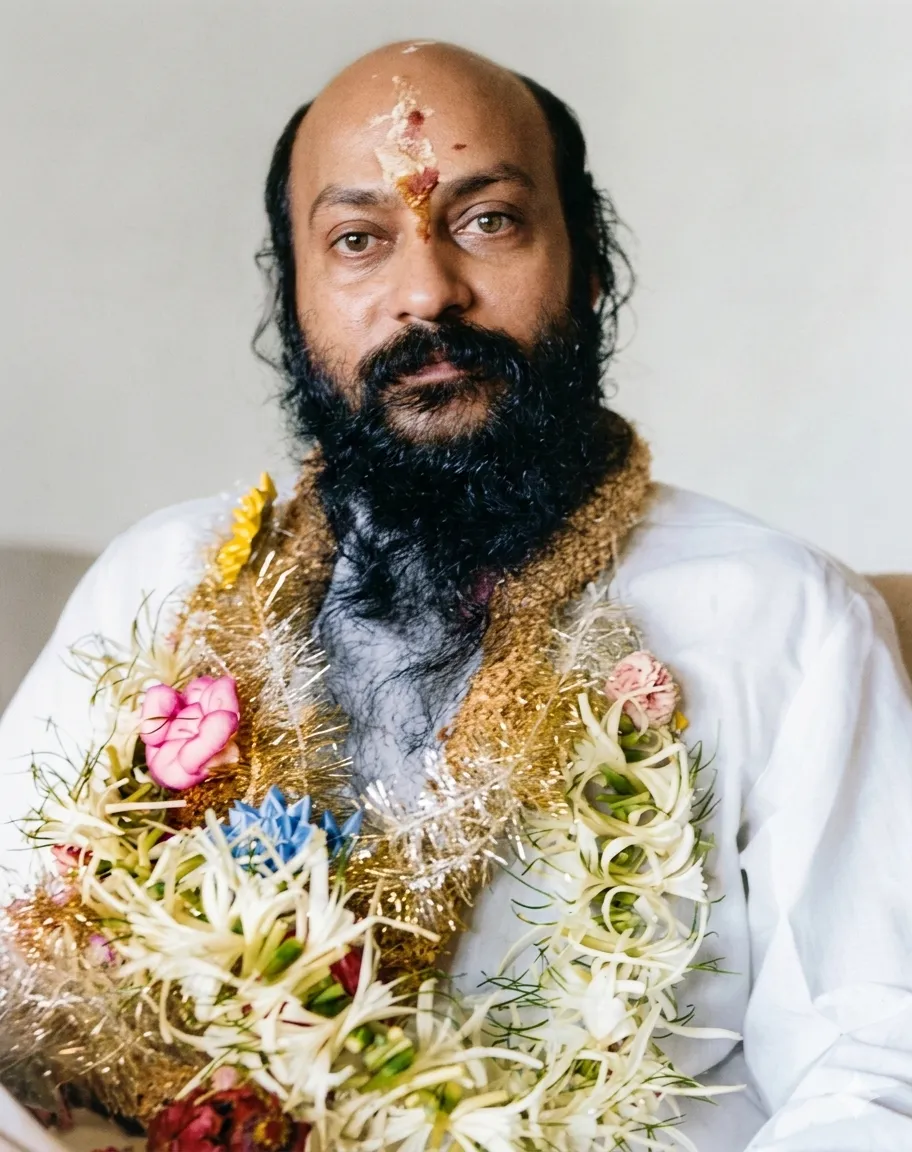
"Piya Kokhojan Main Chali" by Osho is a profound exploration of the intricate tapestry of life, where joy and suffering are inextricably intertwined. Through this discourse, Osho delves into the profound understanding that life's beauty is often hidden within its contrasts and paradoxes. He poetically illustrates that thorns and flowers coexist, not as separate entities but as parts of a greater whole, where even pain can become sweet when viewed through the lens of bliss. Osho underscores the transformative power of bliss, which alchemizes the mundane into the extraordinary, akin to how pebbles and stones metamorphose into diamonds and pearls when touched by an inner awakening. He draws on the wisdom of Zen master Rinzai, emphasizing that enlightenment does not change the external world but alters our perception, rendering everything extraordinary. Challenging conventional logical thought, Osho asserts that true spiritual understanding transcends dualities. Where thinkers see contradiction, enlightened experience finds harmony. This discourse series invites seekers to embrace life's totality, recognizing that joy enriches pain, and darkness enhances the light. Osho’s teachings urge a transcendence beyond analytical thinking, advocating for an experiential encounter with the divine tapestry of existence.
-
Chapter 1
To find the Beloved one must cross the wall of laughter and lose the self; courage and love, not logic, are needed — Ask, "Am I alive?"
-
Chapter 2
Bliss and pain arise together; when self‑knowing blooms even pain becomes sweet—flowers give meaning to thorns, transforming suffering into sacred taste.
-
Chapter 3
Tradition and power protect themselves: truth threatens conventions and is ignored; newspapers thrive on sensation, so courage and inner revolt is needed.
-
Chapter 4
Love and truth survive every attack: assassination only deepens remembrance. Sannyas and meditation dissolve social bondage, cut sorrow, and free the soul.
-
Chapter 5
Suppressed tears and hardness melt in meditation: cry, laugh, surrender intellect and body; sannyas means losing the self to discover boundless life.
-
Chapter 6
Silence and loss reveal the inner Divine: drop words and the desire to get, abandon striving; meditate through relaxation and receive grace now.
-
Chapter 7
Truth must be spoken bluntly; endure the sting of awakening, choose inner voice over social safety, and let sannyas mean inner death of ego, not titles.
-
Chapter 8
Imagination binds; true devotion arises only when inner Krishna is met through a living Master and meditation. Drop idols, ego, and repression.
-
Chapter 9
Union with the divine arises without intention—prayer as gratitude, not demand; marriage and sex need honesty and freedom to ripen love and lead to meditation.
-
Chapter 10
Seek the Beloved by remembering your ever-present Self: drop the ego, return to the witnessing, and let love dissolve the "I" so union, your unity, reveals.