
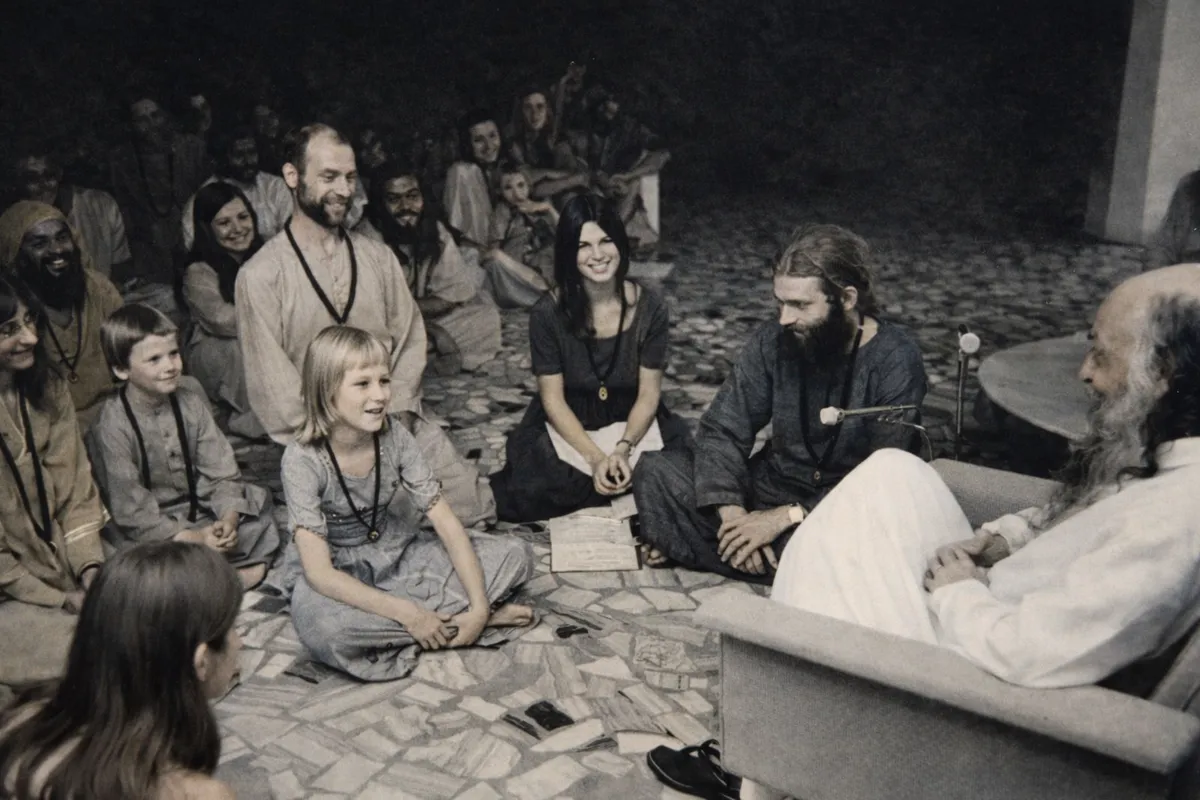
"Piv Piv Lagi Pyas" is a deeply introspective discourse series where Osho explores the nuances of spiritual awakening, using the contrasting approaches of Zen and Indian spiritual traditions as a backdrop. Osho elucidates how fear often clouds the true intentions behind a master's actions. In Zen, the master's seemingly harsh methods, like the use of a stick, are driven by profound compassion—intended not to harm, but to awaken the disciple from the slumber of ignorance. Osho contrasts this with the Indian tradition where masters maintain a sense of detachment and neutrality, leaving the journey of enlightenment largely to the disciple's initiative. Central to the discourse is the theme of compassion and the awakening process. Osho challenges the common perception of fear and interference, advocating that true compassion is active and dynamic, willing to disrupt illusions and comfort to guide the seeker towards truth. By comparing approaches, Osho invites listeners to reevaluate their understanding of spiritual guidance, emphasizing that awakening, though it may initially seem threatening, is a courageous embrace of a deeper, expansive reality. Through this lens, Osho offers a rich reinterpretation of what it means to be truly compassionate and committed on the spiritual path.
-
Chapter 1
Awakening, not morality, is the goal: a living guru breaks sleep and gives Prasad - bow, be an empty vessel to receive grace, not merit.
-
Chapter 2
Recognition of a Satguru comes only from inner thirst; genuine longing makes the Master self-evident. Greed, guarantees, and doctrines cannot substitute thirst.
-
Chapter 3
Shraddha (single-hearted trust) dissolves doubt; one arrives by inner stillness, not effort. How? By total surrender, stepping aside, and continuous remembrance.
-
Chapter 4
Only true thirst and surrender, awakened by a master, lead to the Divine; praise is to denounce the ego and teach bowing into realization and patience.
-
Chapter 5
Omkar is the unstruck primal tone that reconciles and binds existence; through inner tuning and self-emptying it awakens Truth and lasting contentment.
-
Chapter 6
Master's shock awakens: what feels like fear is the compassion that breaks the ego to rouse awareness—be ready to let the stick pierce and awaken now.
-
Chapter 7
World's success is failure in truth; the door to the Divine is always open—drop conditioning, cultivate joyous remembrance and an unquenchable flame to meet Paramatma.
-
Chapter 8
Silence and darshan awaken the inner flame: words prepare but true communion is soundless seeing, where the master's inactive presence transforms being.
-
Chapter 9
Separation's ache (viraha) and seeing darkness awaken soul‑thirst for the Beloved and compel urgent seeking; cultural buffers numb us—key question: 'Will I die?'
-
Chapter 10
There is no 'next step'—life is only this moment. Dive wholly into present bliss; stop postponing, let meditation ignite and sustain your inner flame.