
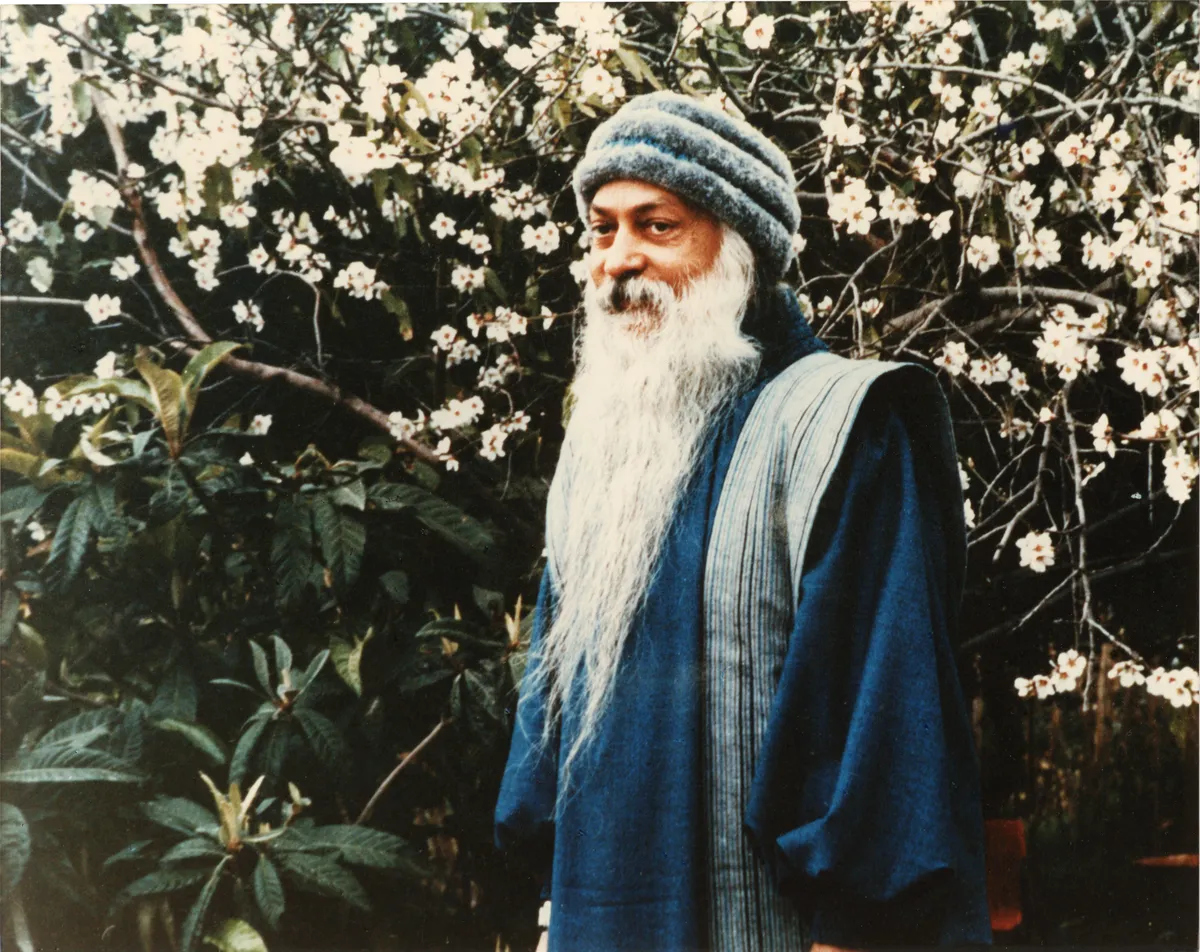
"Naye Samaj Ki Khoj," or "The Search for a New Society," is Osho's profound exploration of creating a world built on freedom rather than fear. In this discourse series, Osho challenges the traditional pillars of society—culture, religion, and morality—often constructed on the shaky foundation of fear. He critiques how fear has been used as a tool to "set man right," arguing that it instead perpetuates terror and compliance without true understanding or transformation. Osho posits that genuine spiritual enlightenment and societal progress can only be achieved by transcending fear, inviting individuals to dismantle internal prisons and embrace liberation. Osho employs anecdotes and parables, like that of the fakir and the terrified child, to illustrate the absurdity and pervasive nature of fear in human interactions. Through his lens, the Divine cannot be approached through intimidation but through a fearless quest for truth. This series boldly encourages a new societal blueprint—one grounded in love, awareness, and freedom, urging humanity to move beyond conditioned constraints, and envision a reality where individuals are fully conscious and liberated. Osho's vision offers an invitation to contribute to the evolution of a compassionate and awakened human experience.
-
Chapter 1
Society cannot change until the individual changes; ideals and seriousness keep men enslaved—only a sudden inner leap, not gradual reform, can birth a new man.
-
Chapter 2
Embrace momentary joys and the senses as gateways to the eternal; uproot sorrow-built society by tasting life, recognizing inner violence, and acting now.
-
Chapter 3
Fear underpins religion; recognize and live with your fear to transcend inner hell and touch the soul and the Divine — what if self-inquiry brings inferiority?
-
Chapter 4
True change arises by transforming the inner being, not outer rules; know your inner evil, awaken to it, demolish the old, and a new life will be born.
-
Chapter 5
Use modern media to reclaim consciousness: turn sight, sound and film into vehicles for silence and authentic awakening, not tools of passive exploitation.
-
Chapter 6
Shunya (emptiness) is the necessary negative mind: only by becoming empty—leaping into the void—can truth and a spontaneous society arise, lived from within.
-
Chapter 7
True social change begins with new individuals, not new institutions; remove fear—the root of the false 'society'—and fearless love births a new humanity.
-
Chapter 8
Divine discontent: enjoy what you have yet keep striving toward higher, Godly needs; freedom and competition spur growth while socialism can equalize only enslavement.
-
Chapter 9
Socialism erases individuality and freedom, reducing man to animal or machine; capitalism must create wealth and leisure so people can choose and pursue true spiritual growth.
-
Chapter 10
Survival forces hard choices: prioritize human life over sentimental nonviolence; demand scientific, practical solutions instead of Mother-Cow politics.
-
Chapter 11
Peace demands devaluing political prestige, entrusting power to those who don't crave it, and uprooting personal ambition that breeds war. Inner change.
-
Chapter 12
Character is conscious presence: live awake, be non-hypocritical and honest; cultivate inner order so life’s anarchy becomes a courageous way to live.
-
Chapter 13
India's assumed spirituality is a self-deceiving myth; true change demands shattering that pride and igniting an individual, rebellious spiritual rise.
-
Chapter 14
Religion reduced to ritual and deceit; outer symbols mask moral decay. True Dharma is lived in conduct, truthfulness and inner transformation.
-
Chapter 15
Opposition cannot break genius; truth is lived experience, not tradition or doctrine—seek inquiry over blind faith, not hypnotic or repressive control.
-
Chapter 16
Revolution must be continuous: negate falsehoods to reveal truth; choiceless awareness frees from idols; change needs individual work and social reform.
-
Chapter 17
Marriage and the family are rotten institutions that deform people; true success is inner 'sufalata'—life blossoming into joy—and dissolving the 'I'.