
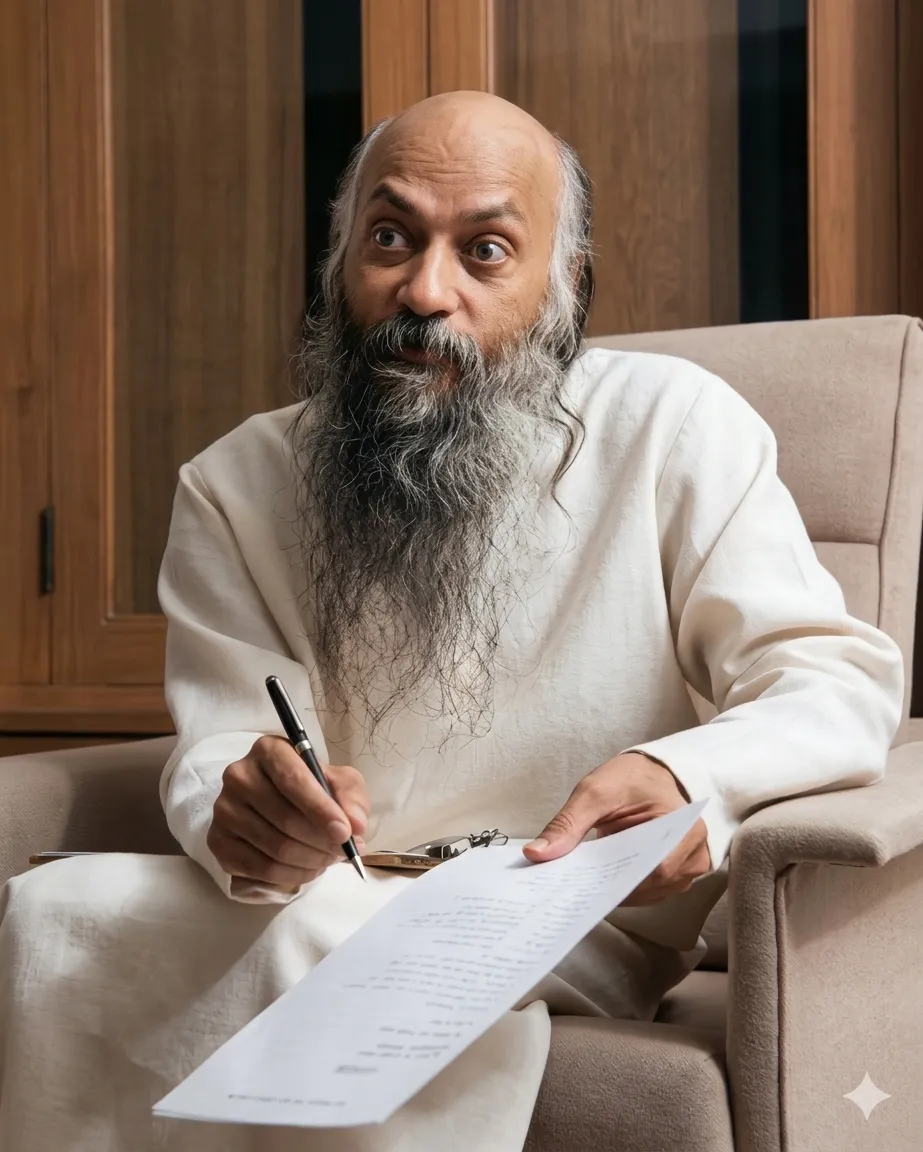
"Nahin Ram Bin Thaon" is a profound exploration of the nature of consciousness and the rarity of enlightenment according to Osho. This series delves into the intricate dynamics that keep individuals in a state of spiritual slumber, emphasizing the allure and comfort found in unconsciousness and dreams. Osho elucidates how this state of sleep serves as both a refuge from life's inherent suffering and a vessel for indulging in illusory happiness. The discourse points out that genuine joy remains elusive as it is consistently chased in the ephemeral realm of dreams. Awakening, as Osho presents, is not merely a shift in awareness but an audacious confrontation with life’s full spectrum of suffering. Achieving Buddhahood, or total awareness, is exceedingly rare because it demands breaking the comforting chains of dream-filled sleep, willingly stepping into the discomfort of unfiltered reality. Osho’s teachings challenge seekers to transcend their habitual avoidance of pain and embrace a courageous witnessing of life's trials. By doing so, one opens the door to true enlightenment, suggesting that liberation from suffering can only emerge from the deep acceptance and understanding of it. This discourse series embodies Osho’s unique vision of moksha—freedom through consciousness, courage, and an unwavering commitment to truth.
-
Chapter 1
True refuge is inner surrender to the formless Ram beyond words; words are substitutes, the mind's sleep fears dissolution, and ego’s death reveals the deathless.
-
Chapter 2
Learning accumulates memory; awakening is total wakefulness. Surrender dissolves the ego so the Divine can transform you — not teaching but living change.
-
Chapter 3
Repression buries natural energies in the navel/unconscious; witnessing sees and burns these waves, reclaiming childlike power rather than suppression.
-
Chapter 4
Enlightenment is an inner event; trees merely symbolize leaving social conditioning for nature—the inward journey to drop ego and share awakened being.
-
Chapter 5
True fearlessness arises by fully living fear until the ego-bridge breaks; a master deepens fear so love, silence and the deathless self emerge.
-
Chapter 6
Mantras concentrate mind and can produce siddhis that empower the ego; true spiritual path dissolves the mind into emptiness, choosing disappearance over power.
-
Chapter 7
True love is a meditative union beyond marriage or lust; either love dissolves the ego or meditation does—trataka awakens a taste of bliss by empty seeing.
-
Chapter 8
Two tigers, gnawing mice and a sweet fruit—Osho contrasts Hindu renunciation (escape maya) with Buddha’s teaching: master the present-moment taste into samadhi.
-
Chapter 9
Two birds on the tree: the lower doer clings and suffers, the higher witness brings freedom; cultivate witnessing, let go of clinging and awaken into samadhi.
-
Chapter 10
Train a child's intellect and meditation equally: give roots of inner silence and wings of reason; parents must embody both so the child becomes whole.
-
Chapter 11
Hotei’s sack signifies meditation as flowing, generous living: drop the burden, keep moving, learn to give for joy; sensitivity needs catharsis to settle.
-
Chapter 12
Transform sexual and other impulses into solitary meditation—do not bind them to others; brahmacharya is inner communion (Shivalinga), not repression.
-
Chapter 13
All is nature; suffering, happiness or bliss are choices—renounce the urge to win, drop the separate self, and only in union with Ram is true rest.
-
Chapter 14
Ulatbansi: saints see life upside down; the doer vanishes, giving precedes receiving, emptying allows the Full to descend, and body-soul balance is liberation.
-
Chapter 15
Awakening is rare; life's sleep must be broken by witnessing suffering and recognizing the master - surrender even your doubt to transcend duality.
-
Chapter 16
A cyclical crisis threatens humanity; India must preserve its living spiritual treasure by birthing true meditators — Ram — so contentment survives.