
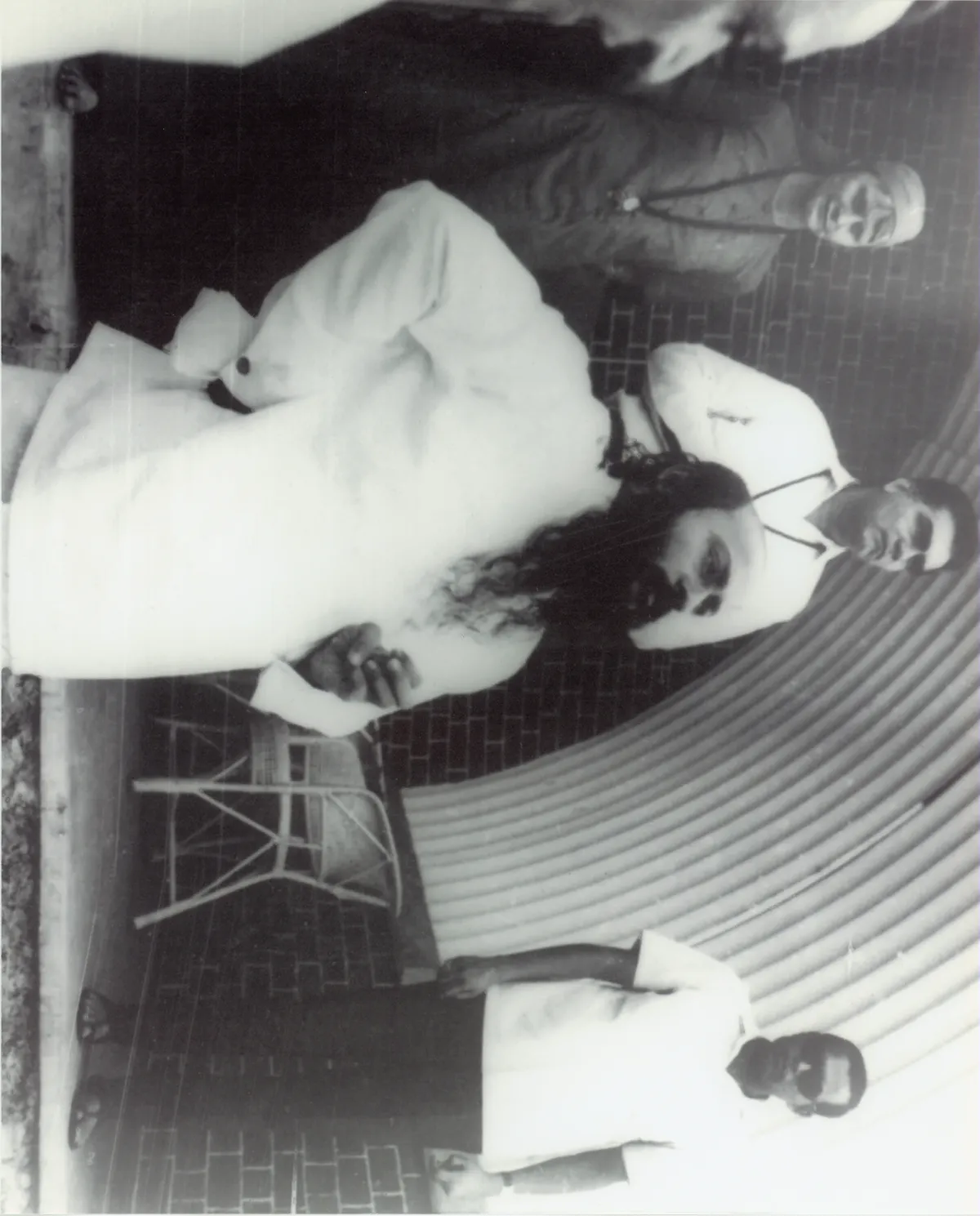
"Mare He Jogi Maro" is a profound exploration of the spiritual journey from the perspective of Osho, a modern mystic known for his transcendental teachings. In this discourse series, Osho dismantles the conventional perception of spiritual attainment and emphasizes the illusionary constructs that bind the human intellect. He articulates that there is no river to cross, no other shore to reach, and no distinct self separate from the divine. The heart of the teachings rests on the notion that enlightenment is not a distant goal but a state of awakening—an immediate presence within the eternal now. Osho challenges the duality between the worldly life and renunciation, introducing a vision of sannyas that embraces all dimensions of existence. This new form of sannyas includes the totality of life, highlighting that both material existence and spiritual liberation are intricately woven together. The core message is one of non-duality, urging seekers to recognize their inherent divinity. Through this series, Osho invites individuals to transcend the ego-driven mind, which is incessantly fixated on acquiring and becoming, and to awaken to the reality that where they stand is already sacred and complete.
-
Chapter 1
Die, O yogi, die: dissolve ego, drop hopes and outer attachments; transmute lust into love and prayer, laugh and play while holding meditation to realize the Unattainable.
-
Chapter 2
Fear blocks the leap into the new; trust the heart, risk sannyas, and let Tantra/Vamamarga transform repression into sacred life, growth, and samadhi.
-
Chapter 3
Die to ego by the middle way: drop excess, live sahaj, speak from no-thought and practice meditation so Atman is revealed; how else to truly die?
-
Chapter 4
Thought arises from desire; understand desire to still the mind so feeling/samadhi can arise. Stop begging the Divine—seek no‑thought and silent union
-
Chapter 5
Reality stays veiled until seekers turn within: quiet witness, become the lamp yourself, keep the inner secret, and let love-transform doctrine and prisons.
-
Chapter 6
Timeless truth matters more than historical facts: seek inner awakening, not birth-stories; die to the ego through no-thought and meet the divine.
-
Chapter 7
Stop the running, drop wanting and ask 'Who am I?': desirelessness unveils Paramatma; critique awakens, condemnation enslaves—become alone, die to ego.
-
Chapter 8
The divine is ineffable—experience, not definitions, dissolves ego; become witness to thoughts and pray from feeling rather than rote chanting.
-
Chapter 9
Every drop contains the ocean; drop boundaries and cravings, turn inward from worldly mirages to awaken the Paramatman through meditation and die to ego.
-
Chapter 10
Disciples betray because spiritual growth sheds stages—student, seeker, disciple, only pure devotion endures; betrayal is ego’s self‑protection, not the Master's failure.
-
Chapter 11
Holding faith, return inward: die to the outer, find the Satguru's mirror and awaken within; union is possible now through inner sight and live naturally.
-
Chapter 12
Vipassana - watching the breath - reveals you are not body, mind, or breath; death and viraha become doors to the immortal, so wake up and see.
-
Chapter 13
The mind is the endless road; freedom comes when the mind falls. Cultivate compassion, give and die to ego — will you learn to say 'yes' to life?
-
Chapter 14
True worship needs a living master and inner trust—rituals fail; become present, celebrate life and let the journey itself be the goal. Trust satsang.
-
Chapter 15
Seek the Self within; abandon sects, rituals and hopes—attune your life to the inner breath to find the One whose feet every breath offers!
-
Chapter 16
Keep ahobhava—unceasing wonder and gratitude attracts divine nectar; remain humble when inner energy rises, resist ego’s pride, and accept tears as true prayer.
-
Chapter 17
Awaken to inner music and luminous Self: unite eye and ear, meet a harsh Siddha who destroys consolations so simplicity, trust and love can hold the Infinite.
-
Chapter 18
Honest atheistic doubt leads to living faith through experiment; abandon ideals and hypocrisy, use the guru as catalyst to transform remembrance into God.
-
Chapter 19
Every heart hides a seed-garden; in satsang with a true Guru the seed breaks, sprouts and consciousness blooms—die to the ego and the Divine emerges.
-
Chapter 20
No river or boats—awaken here: inner and outer are one; sannyas begins in the body; love, children, nature and the cool holy war are transformed by awareness.