
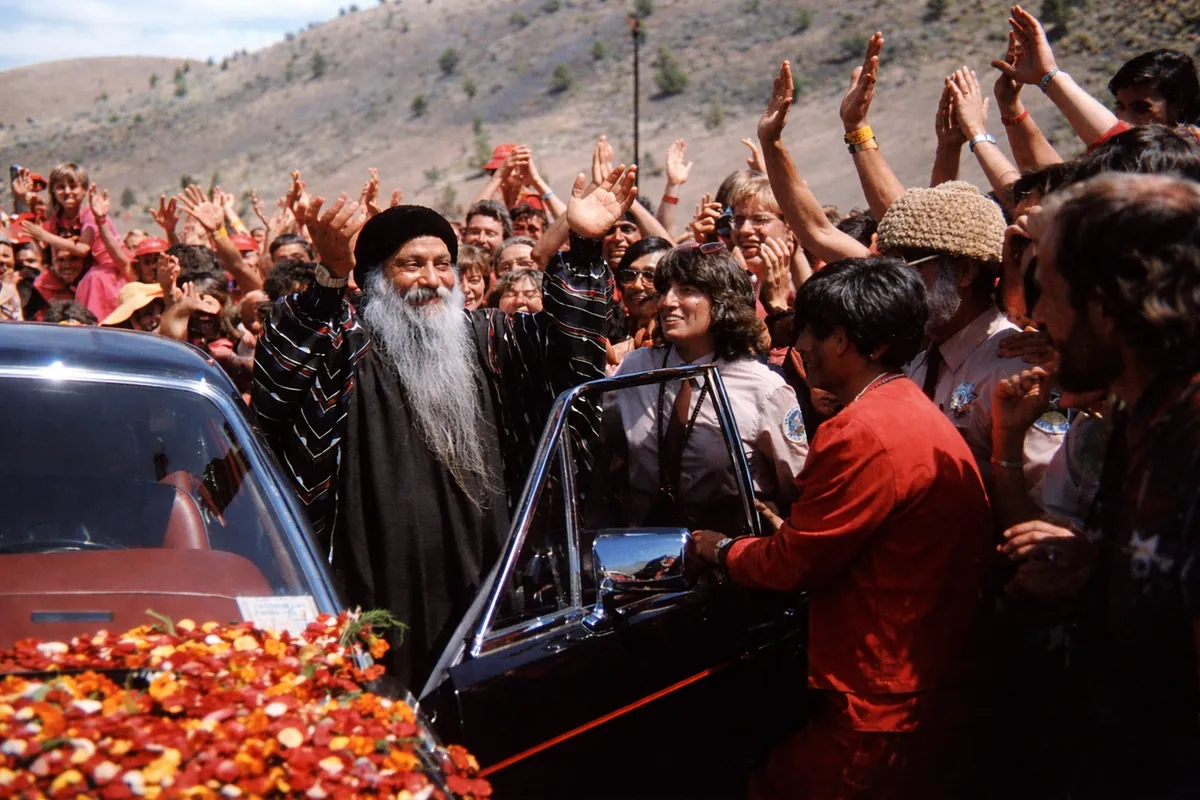
"Kyozan: A True Man of Zen" is a profound exploration of Zen's quintessential teachings through the lens of Osho's illuminating insight. Osho delves into the life and sayings of Kyozan, an enigmatic figure in Zen Buddhism, using his stories as a springboard to unravel the essence of authenticity in spiritual pursuit. The series captures the heart of Zen's paradoxical nature—aiming for a state of 'no-mind' while fully engaging with life’s inherent chaos and simplicity. Osho emphasizes the transformative power of direct experience over theoretical knowledge, inviting the listener to transcend conceptual thinking and embrace the immediacy of the present moment. Throughout the discourses, Osho challenges traditional dogma, encouraging a direct encounter with truth that dissolves ego boundaries and conventional identities. By drawing connections between Kyozan's Zen practices and contemporary spirituality, Osho articulates a universal message: the potential for enlightenment resides in the everyday, accessible to anyone willing to look beyond appearances. His teachings stress the importance of inner freedom, spontaneity, and living with a playful, yet earnest heart. This series is a vital guide for seekers intent on uncovering a personal and uncontrived path to spiritual awakening within the infinite puzzle of life.
-
Chapter 1: The tremendous statement
Zen awakening is remembering the undivided witness: thoughtless contemplation reveals you are the Buddha, not a distant deity but the present ground of being.
-
Chapter 2: Zen is like wild flowers
Zen attacks fossilized religion: choose direct, living experience over scriptures; Kyozan's 'all sutras are devil teachings' shows words betray truth.
-
Chapter 3: A very fresh communion
Zen is a fresh, aesthetic communion: true profit is inner reception beyond visible giving; awakening needs synchronicity of body, mind and being.
-
Chapter 4: A stone striking bamboo
Enlightenment arrives when striving ends—Kyogen awakened by a stone on bamboo shows drop the ego and be witness; simple routines can train silent witnessing.