
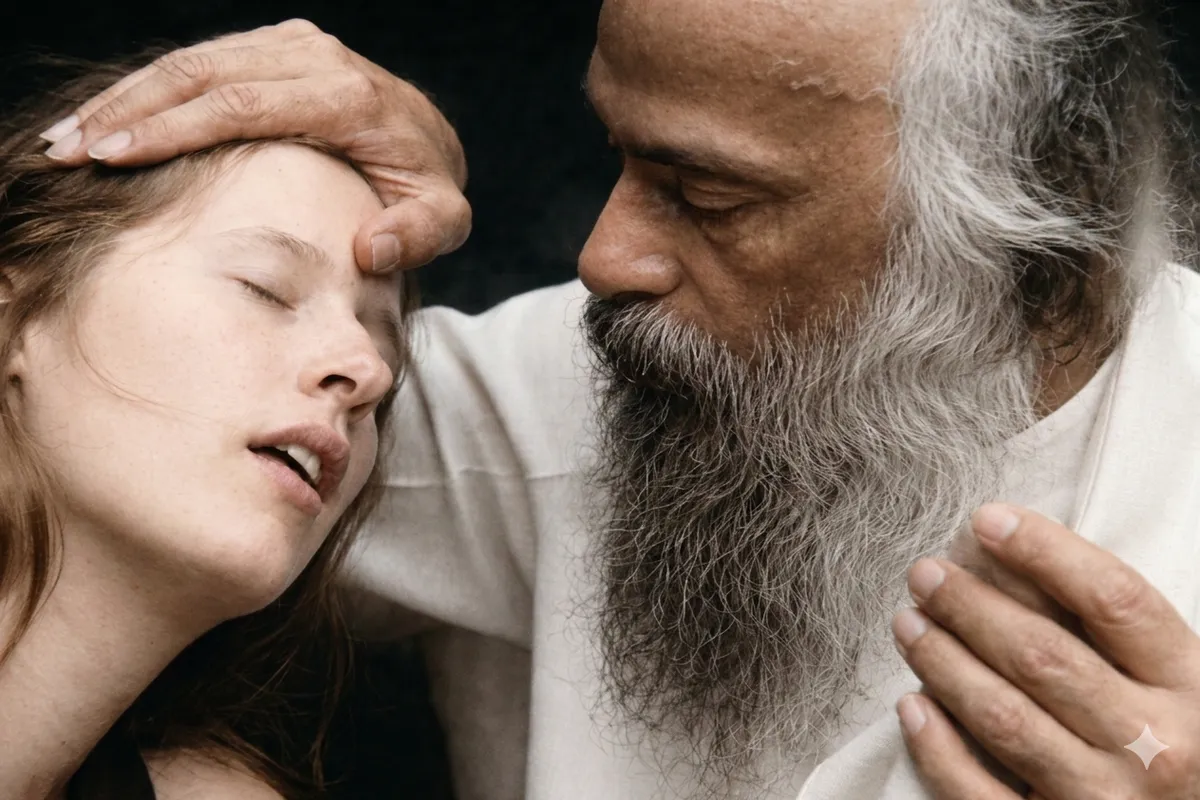
"Kya Sove Tu Bavri" unveils Osho's profound exploration of the fundamental human quest for the Infinite, spinning a fresh perspective on desires and their spiritual significance. Contrary to conventional religious perceptions that view the pursuit of wealth, status, and ego as divergent from the divine path, Osho reinterprets these desires as manifestations of the innate longing for God. He suggests that these worldly pursuits are not deviations but integral steps towards spiritual awakening, rooted in the intrinsic desire for the Infinite. Osho challenges the traditional condemnation of the mind's restlessness, positing that this very unrest is a spiritual catalyst that propels individuals toward transcendence. He redefines the endless nature of human desire as a sacred yearning for the supreme fulfillment that only a divine connection can satisfy. Through his insightful discourse, Osho invites listeners to embrace their desires not as hindrances, but as spiritual compass points guiding them toward the eternal. Thus, he reframes the spiritual journey as an innate, natural progression toward realizing the ultimate truth and experiencing the boundless nature of the self.
-
Chapter 1
Organize disciplined, healthy youth groups - drill, play and 'meditation-in-action' - to break caste and gender barriers through intermarriage and outreach.
-
Chapter 2
Like a bird trapped by a glass cage of thought, man must use thought to climb yet learn to drop it — a third way between blind belief and overthinking.
-
Chapter 3
Material pursuit reflects an endless longing for the Infinite; restless mind seeks God through wealth and status, and only silence/meditation reveals the soul.
-
Chapter 4
Drop inherited belief and begin fearless inquiry: belief blinds, divides and arrests the mind; know through direct experience and awareness, not dogma.