
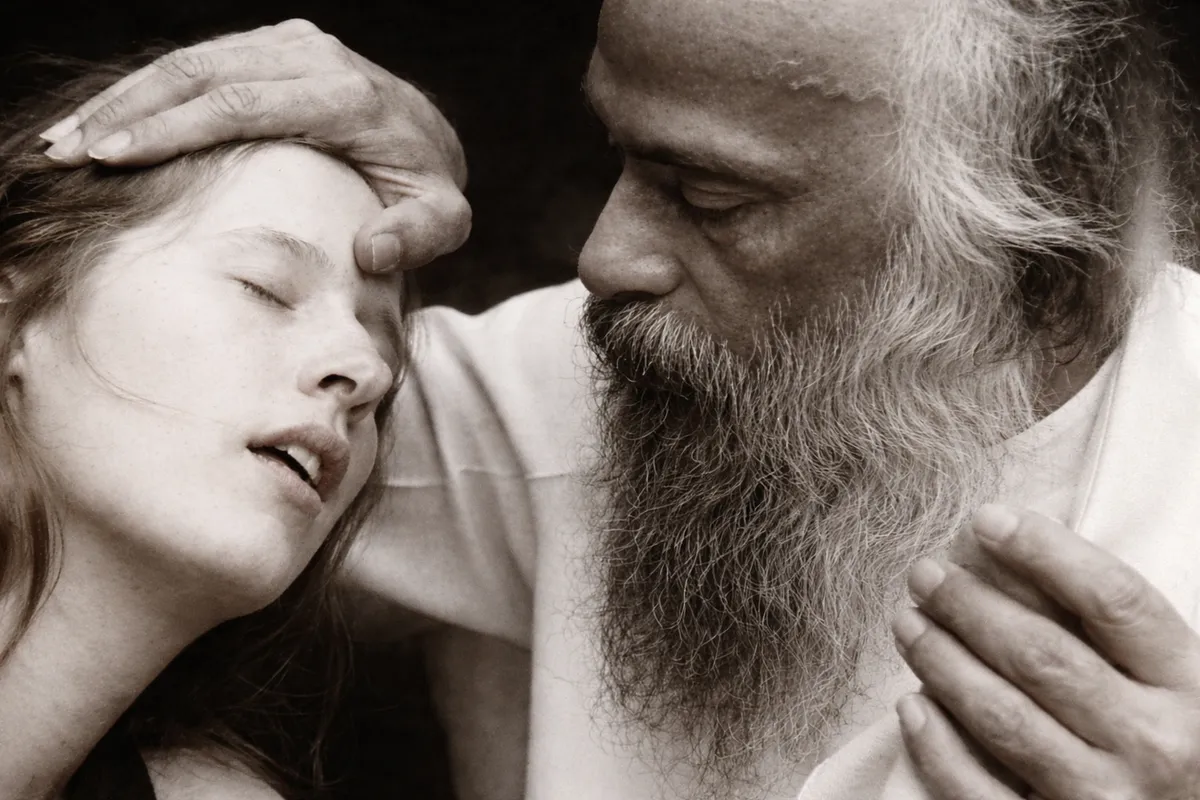
"Koplen Phir Phoot Aayeen" by Osho delves into the exploration of the eternal self amidst the illusion of change. Osho emphasizes the distinction between superficial transformations and the immutable essence within each individual. The series illuminates the timeless aspect of existence, often overshadowed by the ever-shifting external world. Osho invites listeners to look beyond societal norms and personal identities, which he argues are transitory and deceptive. By focusing on the eternal, the series presents a provocative perspective where traditional dualities, such as saint and sinner or Hindu and Muslim, dissolve, revealing a shared, deeper consciousness. Osho encourages a shift in focus from the ephemeral to the eternal, suggesting that true self-realization comes from looking past the mirrored surface of names and faces to the constant witness within us all. Highlighting the futility of engaging with mere labels and external appearances, Osho's discourse challenges the audience to ponder the true nature of identity beyond life and death. Ultimately, "Koplen Phir Phoot Aayeen" serves as a spiritual guide to understanding the permanence of the self, cultivating an awareness that transcends the temporal constraints of human existence.
-
Chapter 1
The unchanging self stands beyond life's changes; recognize the ever-present witness rather than chasing becoming—ask if you’ve found the eternal.
-
Chapter 2
Human 'evolution' is false—history shows violence from churches to atomic bombs; true evolution is inner, the immortal self recognized beyond labels and death.
-
Chapter 3
Existence is an unknowable mystery; bliss arises when you disappear into it, seek being not knowing, pour out realized peace, and let flowers come and go.
-
Chapter 4
Withdraw thought inward and know yourself before your bier is lifted: become rooted in samadhi, self-sufficient, let love flow outward without compromise.
-
Chapter 5
Responsibility for hurt lies within; transform pain into compassion and inner sovereignty so deceit and being used cannot disturb you, as the fakir shows.
-
Chapter 6
Intellect cannot know the knower; sit one hour daily to witness thoughts and let them pass—meditation reveals the self, and love must flower for completion.
-
Chapter 7
Essential life is wordless: salute is the heart’s gesture; temples must be taverns of living joy; doubts end in tasting experience, not argument.
-
Chapter 8
A true satguru strips consolations and wounds the ego: asking 'May I ask a question?' begins your dissolving, leading to emptiness where true being blooms.
-
Chapter 9
Inner freedom, born in meditation, precedes true democracy; reject borrowed beliefs, think for yourself, and let your own thought ignite real change.
-
Chapter 10
Terror arises from centuries of ego-driven extremes and ambition; cure is inner journey—self-knowing, balance, samadhi—to transform terror into peace.
-
Chapter 11
Each person's vision is unique; solitude awakens individuality—compassionately lead others into aloneness, using love not logic, to awaken the soul.
-
Chapter 12
After India's sages made meditation seem easy, the ego pursued wealth and prestige; true transformation requires inner silence and the death of ego's hunger.