
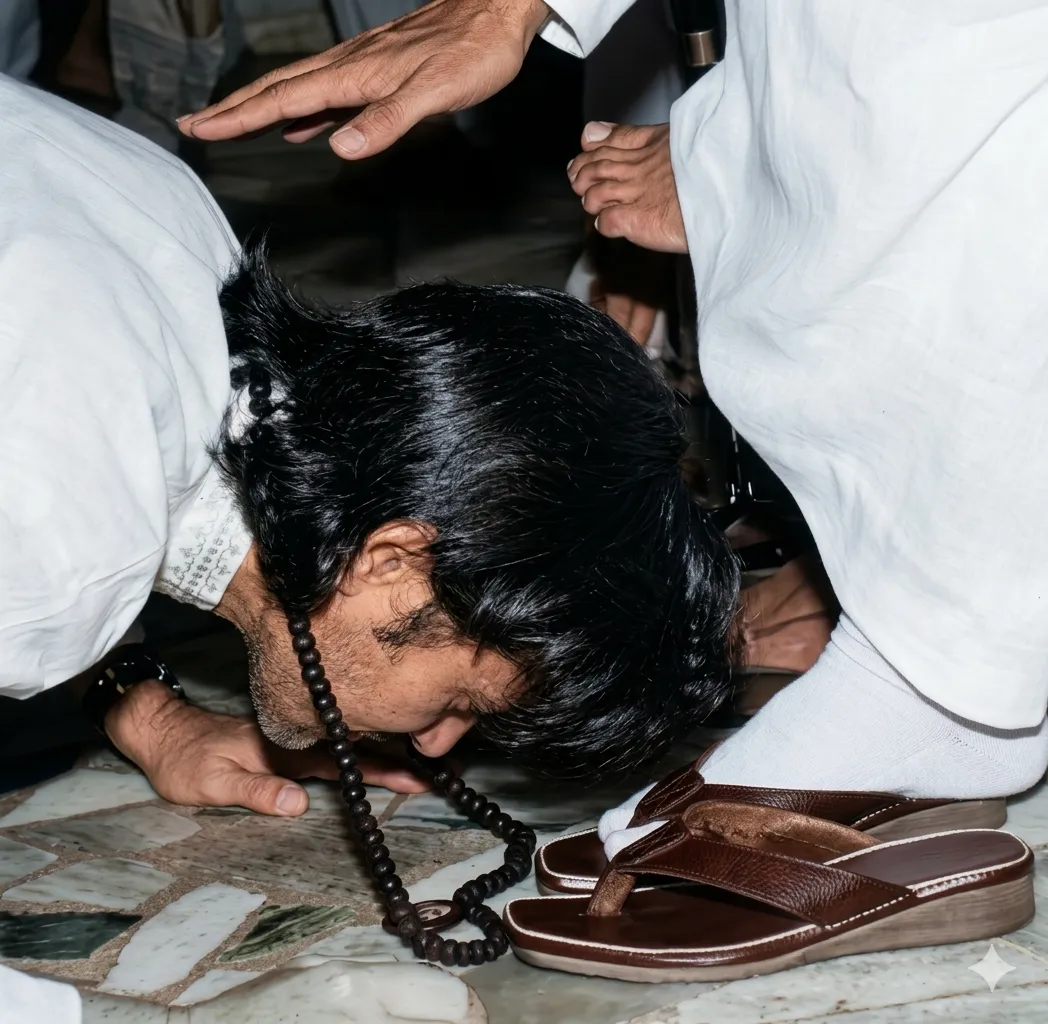
"Kan Thore Kankar Ghane" delves into the profound and intoxicating realm of devotion through the evocative metaphor of wine. Osho masterfully contrasts the ephemeral relief offered by wine—the literal, intoxicating substance—with the eternal liberation found in spiritual devotion. Wine temporarily veils the ego and offers fleeting escape from personal woes, but devotion dissolves the ego completely, permanently freeing the soul from the shackles of self-centeredness. In this discourse series, Osho elucidates how the repetitive cycles of mundane pleasures mirror the effect of wine: they provide transient forgetfulness but ultimately entrench individuals deeper in dissatisfaction. Conversely, true devotion uproots the sense of 'I'—the epicenter of suffering—leading to a state where God-consciousness prevails. The imagery of wine streams in paradise, as described in the Quran, becomes a symbol for the boundless joy and fulfillment attainable through devotional practices. By likening devotees to 'drunkards' of divine love, Osho underscores a timeless spiritual truth: only through the complete surrender of the ego can one experience the ultimate bliss that transcends worldly attachments. This series invites seekers to explore devotion as an enduring, transformative 'wine' that leads to the divine.
-
Chapter 1
Surrender to the One: let Paramatma be the doer, taste Sannyas’s intoxication—drop 'mine' and ego; wait, pray, and become the Master through devotion.
-
Chapter 2
Tradition gathers the blind; saints stand alone. Drop fear, surrender ego to ecstatic love like Baba Malukdas—true discipleship is listening, not worship.
-
Chapter 3
Two paths—intelligence's royal road and love's narrow footpath—choose your swadharma: bhakti is charmed by trust, surrender and sweetness, not austerity or technique.
-
Chapter 4
Divine intoxication: God’s wine dissolves the ego, replacing fleeting forgetfulness with lasting union; live fully, deepen longing, and boundaries vanish.
-
Chapter 5
Childlike surrender and devotion beat karma; the Avadhuta is twice-born. Malukdas demands divine compassion, citing Valmiki, Gajendra and Ajamila.
-
Chapter 6
Realization cannot be stored as memory; it must be lived - do not clutch a glimpse, let the Divine enter and grow; a Master wakes you where nature cannot.
-
Chapter 7
Life is music: open the heart's veena, let love dissolve the ego, dance into remembrance; God is within, not in idols or words, beat love's pakhawaj.
-
Chapter 8
Wounds of love for the Divine are blessings; do not bandage longing—let the pain deepen until ego falls away and union with the Divine heals.
-
Chapter 9
Rebel against borrowed religion and social conditioning; strip the mind to meet the Paramatma within, compassion, not rituals, is the true touchstone.
-
Chapter 10
Avadhut: one anchored in the Imperishable who lives God, sees the world as dust, knows 'tat tvam asi'; practice discernment, let love bring renunciation.