
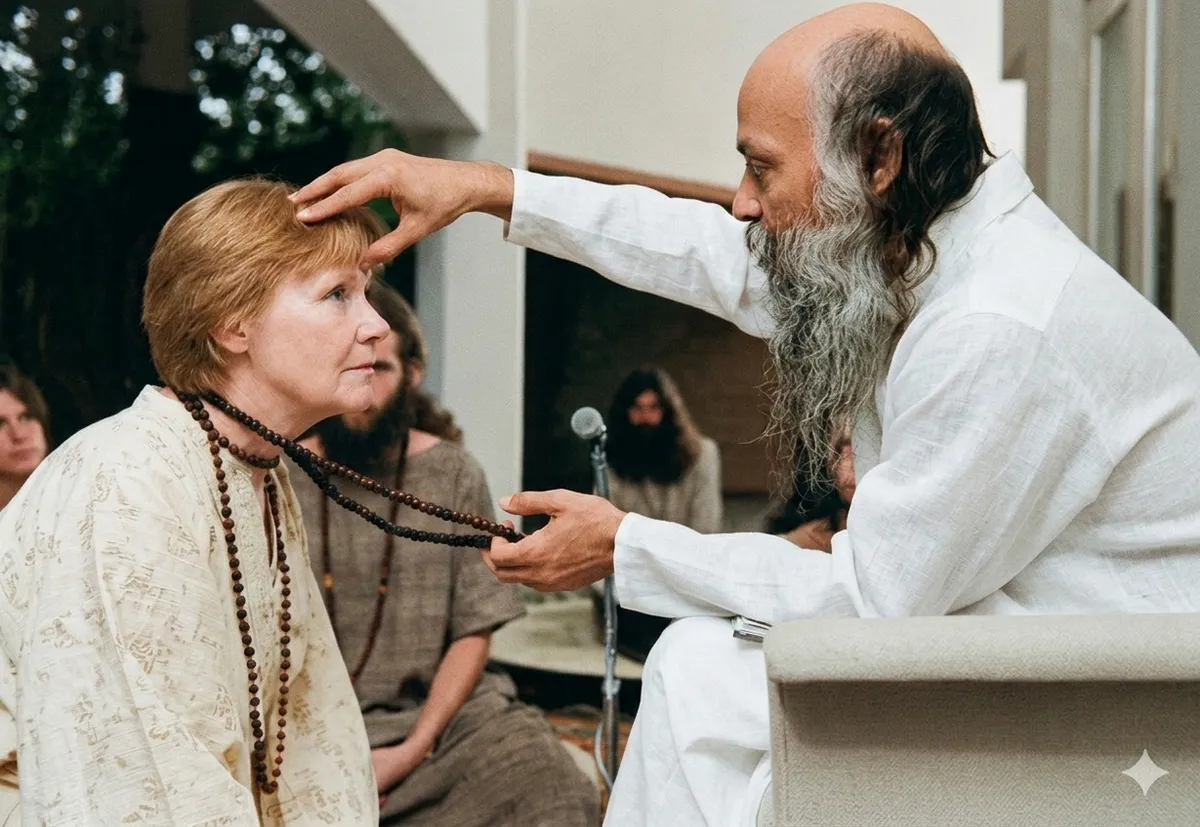
"Kahe Kabir Main Pura Paya" delves into the intricate and paradoxical nature of love as expounded by Osho, drawing inspiration from the mystic teachings of Kabir. The discourse series explores love as both the highest form of spiritual yoga and a profound delusion, acting as a bridge between the extremes of human experience—from the depths of anguish to the heights of blissful liberation. Osho challenges conventional understanding by highlighting love's duality: it simultaneously births sorrow and jealousy, yet also embodies nirvana and ultimate bliss. He emphasizes the fine line one must tread on the path of love, likening it to a razor's edge, where balance is crucial to avoid falling into despair or losing oneself in illusions. The discourses reflect upon the transformative power of love, which can descend into mere lust or ascend into a prayerful state. Osho invites seekers to experience and understand love beyond its societal and personal limitations, arguing that true love encompasses the spectrum from Kama to Ram. In navigating the perplexing dimensions of love, Osho offers insights into achieving harmony and discovering love's potential to lead to spiritual enlightenment.
-
Chapter 1
Dark tangled roads of life demand inner seeing, not panditry; Kabir and a Sadguru’s company awaken true love and direct experience—how to reach Truth?
-
Chapter 2
Embrace emptiness: surrender the ego and fear, for becoming nobody is the door to the Whole; pain precedes samadhi and only trust opens the meeting.
-
Chapter 3
Practice the Word: silence to hear the inner, unstruck sound; erase doctrinal noise, become a cool, egoless listener to find Paramatma within
-
Chapter 4
Bliss is the soul’s true rain while the mind, habituated to suffering, doubts and rejects joy—accept with gratitude and courage, let go of habit, begin with nature.
-
Chapter 5
Life is a night of fleeting illusions and theft; true wealth is inner awakening—awaken before death, for 'mine' is the root of ego and endless running.
-
Chapter 6
Two kinds of remembrance: practiced japa and spontaneous ajapa; guru as pointer to Rama, Rama as giver of liberation - surrender, live present, drop mamata
-
Chapter 7
Attaining the Divine is effortless—our true nature—but falling madly in love with the Beloved is hard because the ego resists, asking us to risk everything.
-
Chapter 8
Love is both supreme yoga and supreme delusion; transform possessive lust into prayer by silencing senses, tasting inner nada, and knowing your true self.
-
Chapter 9
Empty the self: be poor in spirit so the Divine can enter; true fakirhood is love-born renunciation—give freely, surrender desire, and find union.
-
Chapter 10
Freedom from social conditioning is required to find the Divine: either inner renunciation or outer retreat into a 'forest' until identification dissolves.