
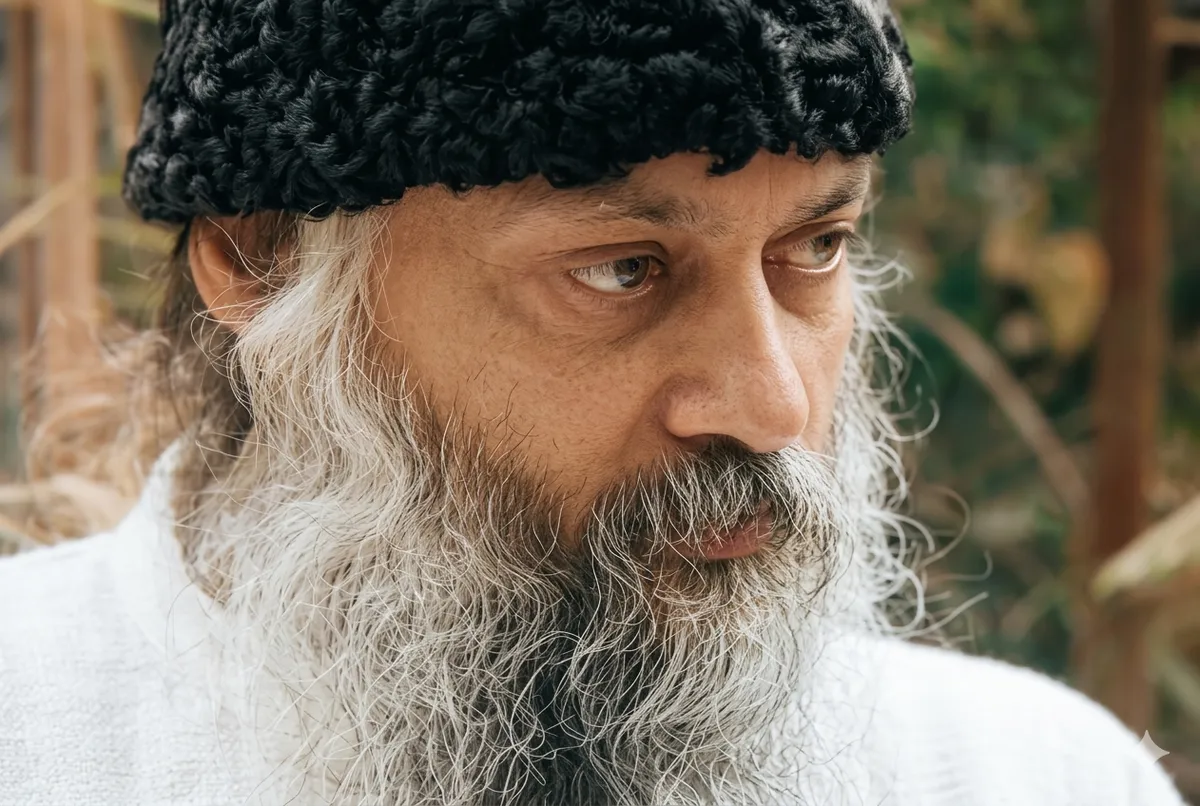
"Jyun Macchali Bin Neer" is a profound exploration of mankind's slumbering consciousness, guided by the illuminating teachings of Osho. Central to this discourse series is the theme of spiritual awakening, contrasting the spiritual dormancy that pervades humanity regardless of religious identification. Osho suggests that true religiosity transcends traditional labels; a genuinely awakened individual cannot be confined to Hinduism, Islam, Christianity, or any creed, as these identities are likened to varying modalities of sleep—individuals lost within their worldly illusions. Drawing from the evocative metaphor of a fish yearning for water, Osho invites listeners to recognize the innate, yet often unacknowledged, thirst for self-realization within. Through vivid anecdotes and reflective musings, such as those of Mahatma Bhagwandin's methods to awaken his audience, Osho emphasizes mindfulness and the dire need for self-awareness. According to Osho, awakening is recognizing one's true essence, the "Purusha" within, and is akin to becoming radiant—a sun within the corporeal existence. Thus, the series serves as a call to transcend the mundane and actualize the luminous potential inherent in every human being, thereby igniting a journey of inner transformation and ascension.
-
Chapter 1
Rajjab’s phrase ‘like a fish without water’ points to sleepers: ego severs us from source, creating hell; meditation awakens and restores life.
-
Chapter 2
Truth is beyond definition: both the world and Brahman are true; experience, not words, reveals this. Sannyas is the door—live present as a witness to drink the divine
-
Chapter 3
Lokas are inner states: rise from body to mind to soul and dissolve into turiya; become zero to awaken, and avoid politics’ mud for true blossoming.
-
Chapter 4
True charity springs from inner wealth made by meditation; outward charity often masks harm and hypocrisy—cultivate self, then beneficence naturally follows.
-
Chapter 5
Manusmriti's counsel to 'speak pleasant truth' breeds hypocrisy; become truth through experience, speak what arises, and use modern publicity to spread it.
-
Chapter 6
Live in harmony with rit — the effortless, nameless ordering of life; surrender the ego, discover your nature, and flow with existence rather than fight it.
-
Chapter 7
Use doubt to reach shraddha—beyond mere belief—so receptive, lived faith meets truth; their union yields samadhi, and sannyas, robes and community catalyze that awakening
-
Chapter 8
Do not resist: accept and witness thoughts without fighting; be the mirror that sees, and the mind dissolves into inner light—freedom beyond the ego.
-
Chapter 9
Thinking blocks sannyas; sannyas is an inner death earned by meditation, not belief. Freedom of love, not repression; question myths and false gods.
-
Chapter 10
Desire is the great disease; delusion the enemy; anger the consuming fire; only knowledge from meditation dissolves them, freeing one to rest wholly in the present.