
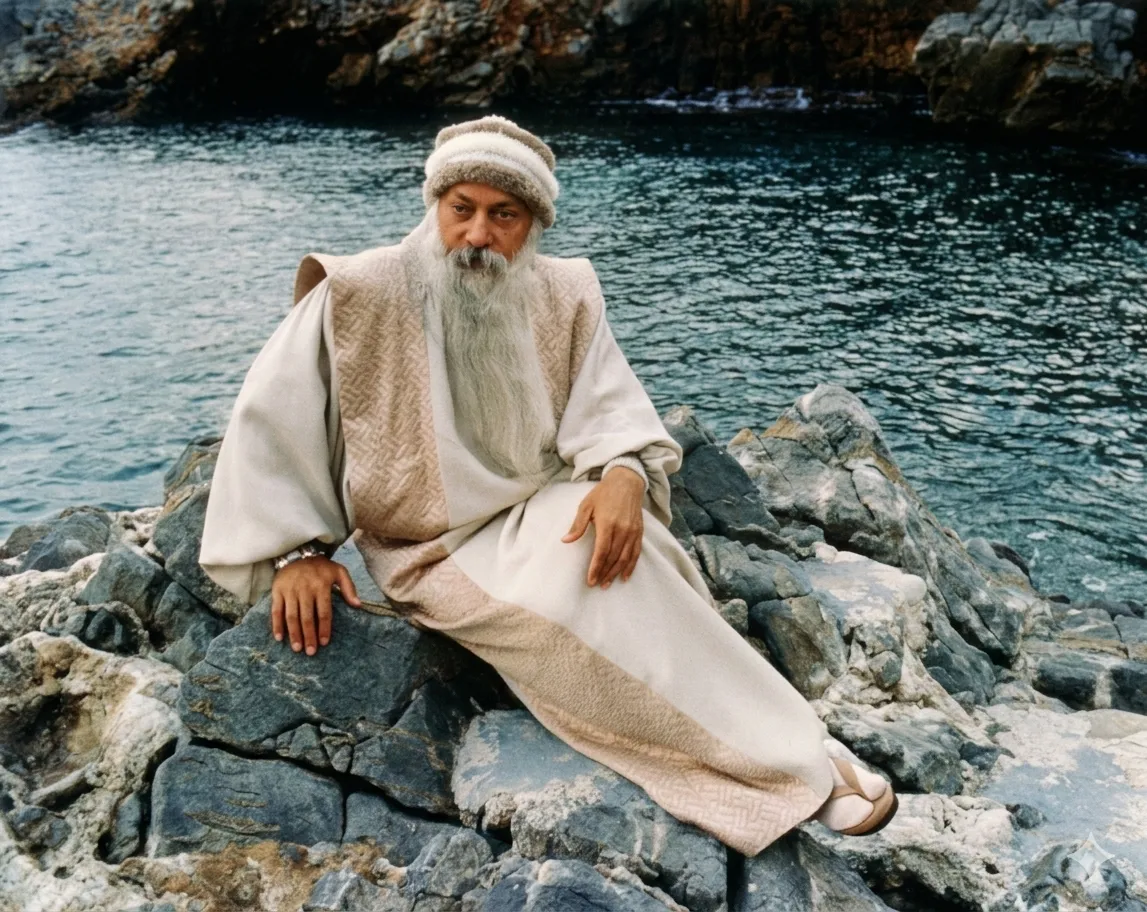
"Jyoti Se Jyoti Jale" by Osho explores the profound journey from darkness to illumination within the human spirit. This discourse series delves into the existential angst rooted in the unfulfilled potential of human consciousness. Osho articulates how mankind, enshrouded in the dense darkness of ego and ignorance, is caught in the turmoil of life’s challenges without the guiding light of self-realization. He metaphorically depicts human existence as a night without moonlight, yearning for the inner transformation that leads to enlightenment. Central to the series is the idea that true existential fulfillment is achieved when one becomes the being they were inherently meant to be—where life resonates as a festival and consciousness becomes a space of gratitude rather than longing. Osho emphasizes that authentic prayer arises not from a place of pleading but from profound thankfulness that emerges when one's inner lamp of awareness is lit. The journey from mere survival to spiritual blossoming is underscored, with Osho illuminating the pathway to turn life's potential darkness into a radiant celebration of self-awareness, culminating in genuine arati—a spiritual offering that arises naturally from life's intrinsic joy and fulfillment.
-
Chapter 1
Art is Brahman: the inner art of kindling the Self through guru's spark, silence, sahaj seeing and whole-hearted yearning—become a filled lamp and speak.
-
Chapter 2
Disciple means radical surrender and self-erasure; books give no final answers; samadhi and awakened awareness dissolve questions and kindle an enduring flame.
-
Chapter 3
Kindle inner discontent, wage the inward war, burn the ego and let the lotus of self-knowledge bloom; true religion is content without, discontent within.
-
Chapter 4
Renunciation is supreme enjoyment—turn inward to discover roots, sannyas as readiness to receive, and silence or inner transformation proclaims truth.
-
Chapter 5
End inner darkness by turning attention inward; the lamp within lights itself, so stop seeking outside and let your small flame merge with the vast Light.
-
Chapter 6
Make religion available to atheists and theists alike: accept life wholly, transform energies instead of repressing them, and know the world itself is nirvana.
-
Chapter 7
Life rootless without Paramatma: only burning viraha and surrender—breaking like a seed—bring union; what shall I do? Seek the Beloved and be filled.
-
Chapter 8
Dreams and waking are waves of one Reality; doubt dissolves when you recognize the eternal witness—trust love, surrender, and let joy be your proof.
-
Chapter 9
Life is a seed with Buddha-potential: through sadhana, surrender and constant remembrance the seed must dissolve to germinate, turning poison into nectar.
-
Chapter 10
Love is sacred madness that dissolves the mind into prayer, leading from ecstatic sway to samadhi; the Guru destroys ego and births the soul.
-
Chapter 11
A sannyasin's song becomes a mirror to the inner flame: meditation and silence let light kindle light, dissolving the ego and revealing love's awake presence.
-
Chapter 12
Awaken sensitivity, not belief: meditate to quiet thought, polish the heart’s mirror, and love deeply—God and beauty arise when inner sight opens.
-
Chapter 13
To ignite thirst for the ineffable: words can't name the Divine, but satsang and surrender dissolve the ego - seek saints, die to become who you are.
-
Chapter 14
Love dissolves all divisions—dream and waking unite; prayer-dreams are true and self-evident, dreams can be a bridge to Vedanta and awakening.
-
Chapter 15
Self-annihilation is the path: let go of ego and doership; become empty and Paramatma arrives; only by vanishing can one truly meet the Divine.
-
Chapter 16
False life with ego must end for true timeless life to dawn; desire dissolves, ordinary acts become sacred, awakening is available even in old age.
-
Chapter 17
Truth is eternal yet ever-new; seek your unique inner revelation, not mere tradition or revolt—find God within, light your inner lamp, find your hour.
-
Chapter 18
Tears are the first news of prayer—welcome them; awakening intensifies the world's pull as it makes a last attempt, so persist toward inner union.
-
Chapter 19
Life’s outer satisfactions fail; true life is found by inner silence and surrender to a living Guru, whose grace transforms mind’s fever into Amrit.
-
Chapter 20
Worshipping the dead is a convenient avoidance of inner work; true religion is practiced within, guided by a living master who awakens wonder and faith.
-
Chapter 21
Turn inward, drop worldly dealings, become love: when the inner lamp ignites life is arati; when God pervades all, silence itself becomes the worship