
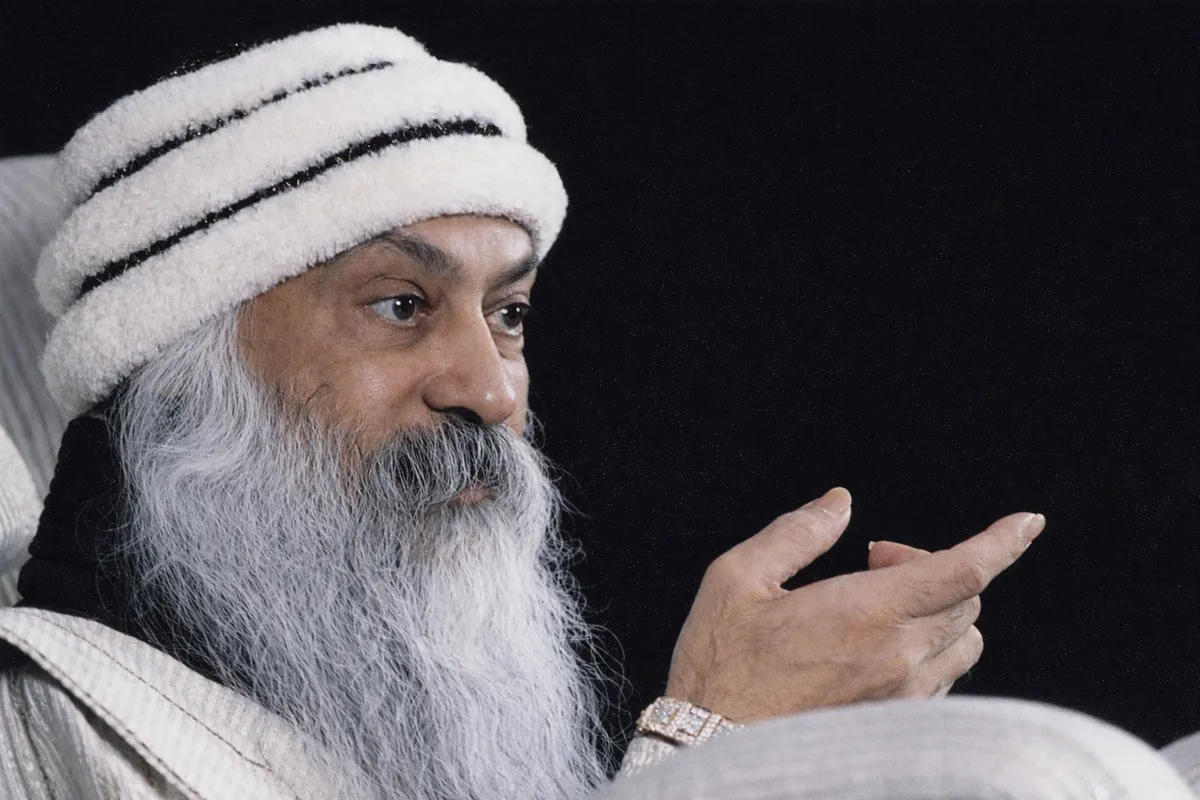
"Jyon Ki Tyon" delves into the profound exploration of life's inherent illusions, as illuminated by Osho's unique spiritual insights. This discourse series intricately examines how the attachments and expectations we clutch tightly within the worldly sphere become the very shackles that prevent us from plumbing the depths of our own consciousness. Osho draws upon Buddha's teachings, emphasizing the deceptive nature of life and the importance of perceiving beyond appearances. Through stories and metaphors, Osho elucidates the paradox where pursuits of happiness lead to sorrow, desires for material success cultivate inner poverty, and quests for fame culminate in solitude. In a world where perception often diverges from reality, true awakening lies in recognizing the subjective veils we cast over experiences. Osho beckons the seeker to dissolve these veils by acknowledging the illusory nature of worldly endeavors. By transcending these delusions, an individual's grip on life relaxes, enabling them to journey inward and discover a deeper truth. "Jyon Ki Tyon" is an invitation to shift from an external fixation on life's mirages to an internal voyage towards genuine clarity and self-realization.
-
Chapter 1
True ahimsa is the absence of violence rooted in self-knowledge; violence emerges from 'otherness' and social identity — to end it, know yourself.
-
Chapter 2
Possessiveness (Parigraha) binds owner and owned; true Aparigraha is inner mastery, not outward renunciation—giving up things won't fill inner emptiness.
-
Chapter 3
Achaurya: no-theft is dropping stolen personalities—masks and borrowed faces. Watch your changing faces, ask 'Who am I?' don't imitate others; find your own.
-
Chapter 4
Transform outward-flowing kama into inward akam: conserve sexual energy, live moment-to-moment, be creative and look within to awaken inner bliss.
-
Chapter 5
Man sleeps on one floor of a seven-storey house; apramād must be broken by waking awareness in small acts so one descends to rise into true freedom.
-
Chapter 6
Violence is a disease from our animal past; nonviolence is health, an inner integration and conscious choice that lets life‑energy ascend and heals.
-
Chapter 7
Self-ignorance—and thus violence—is a chosen refusal of available light; meditation dissolves suppressed surges, empathy, not sympathy, awakens nonviolence.
-
Chapter 8
Prosperity can be the foundation of detachment: only full experience of wealth reveals its futility, allowing one to stop running and stand in inner freedom.
-
Chapter 9
Authenticity is true non-theft: imitation steals the soul; keep an inner witness (samadhi) amid relationships, reject followers and false masks.
-
Chapter 10
Sannyas is an art: practice it in the marketplace as an inner mind-state, ahimsa, aparigraha, desirelessness and alertness; personal, non-sectarian, reversible.
-
Chapter 11
Separate bodily semen from psychic sex-energy; turn its downward flow into upward bliss by resolve, present awareness, muladhara draw-in and total action.
-
Chapter 12
Sex is neutral energy to be witnessed and transformed inward into spiritual bliss; both partners lose psychic energy, and Tantra transcends praise or blame.
-
Chapter 13
Life and appearances deceive; loosen attachments, remember body is death, distrust mind; progress through witnessing, awareness to tathata for final non-being.