
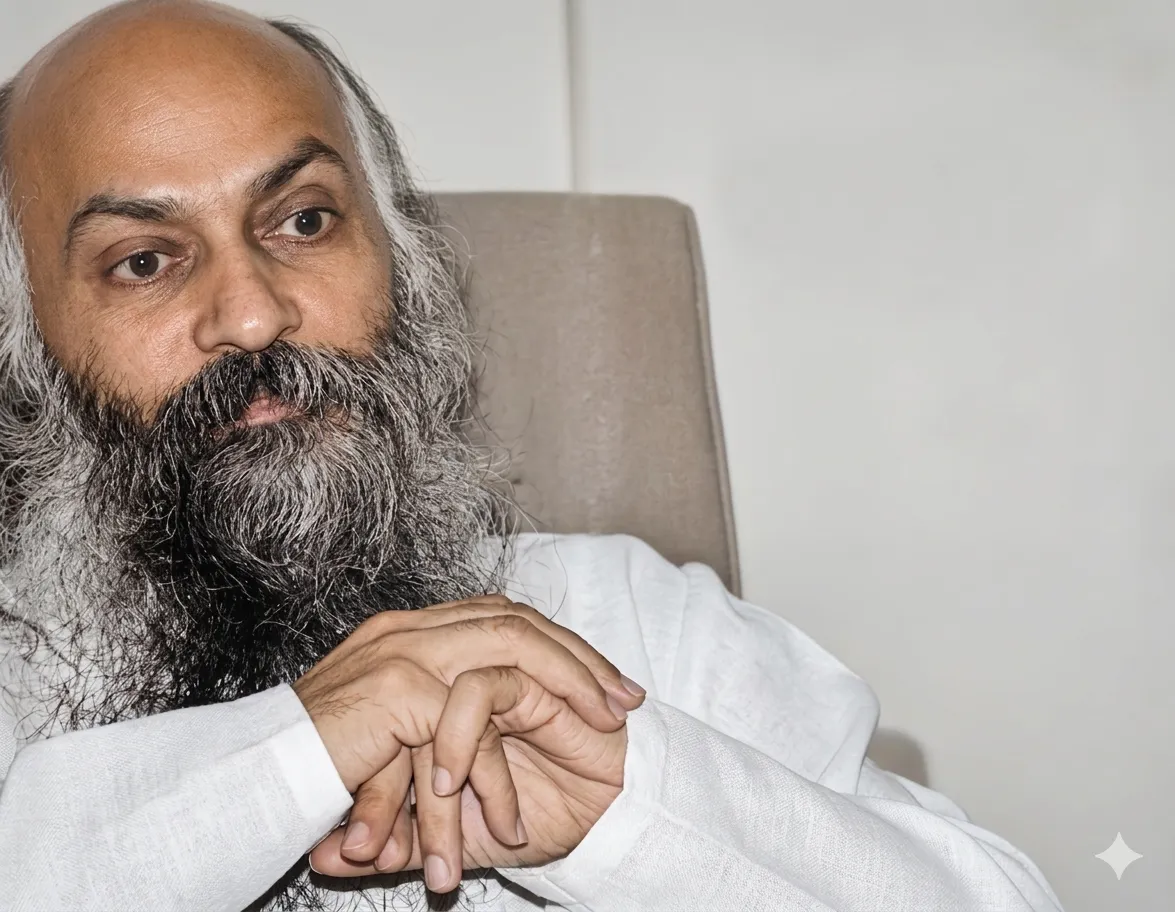
"Joshu: The Lion's Roar" is a profound exploration of the enigmatic Zen master, Joshu, as interpreted by Osho. In this series, Osho delves into the essence of Zen, emphasizing the importance of direct experience and the futility of intellectual pursuits in attaining spiritual enlightenment. Through Joshu's crisp and paradoxical dialogues, Osho invites the listener to transcend conventional thinking and delve into the depths of introspection and self-awareness. He challenges the listener to break free from societal norms, transcend dualities, and embrace the intuitive nature of one's true self. Osho's unique perspective is not merely an analysis of Joshu's words but a transformative narrative that encourages a shift from knowledge to knowing, from mind to no-mind. He illuminates Joshu's teachings, not as abstract teachings but as practical tools for personal awakening and inner freedom. The series reverberates with Osho's trademark humor and razor-sharp insight, shaking the foundation of conventional spirituality and inviting the seeker into the silent, roaring presence of "just being." Through Osho's lens, "Joshu: The Lion's Roar" becomes a journey of self-discovery, where the path to enlightenment is found not in words but in the spaces between them.
-
Chapter #1
Joshu's encounter with Nansen shows true mastery beyond form: return to your center with total urgency—where you came from and where you go are the same.
-
Chapter 2: Ruined and homeless
Joshu's first satori left him 'ruined and homeless'—the old self gone; true awakening requires a spontaneous, clear response (the 'right word'), not comfort.
-
Chapter 3: To know the timeless
Timeless patience: awakening demands shedding hurry, opening to the master's transmission, and dissolving the hair's-breadth between self and center.
-
Chapter 4: Go on digging
Relentless zazen: dig deep without escape; a master is a mirror reflecting your buddha-nature. Persist—three, five, twenty or thirty years—begin now.
-
Chapter 5: An open sky of witnessing
Buddha-nature is the witnessing consciousness beyond the four elements and five components; the master points you inward—don't preach what you haven't realized.
-
Chapter 6: The ultimate here
Joshu's 'Have you been here before?' points to here-ness and now-ness: the cup of tea is awareness offered to all, ending the mind's craving for the impossible.
-
Chapter 7: Eternity in his hands
Zen affirms total, momentary life: dissolve into action like Tosu's 'oil', find buddha-nature at the center beyond time—eternity held in presence.
-
Chapter 8: The lion's roar
Zen aims at awakening, not doctrine: Joshu's lion's-roar breaks borrowed teachings, urging one inward to discover deathless awareness and spontaneous living.