
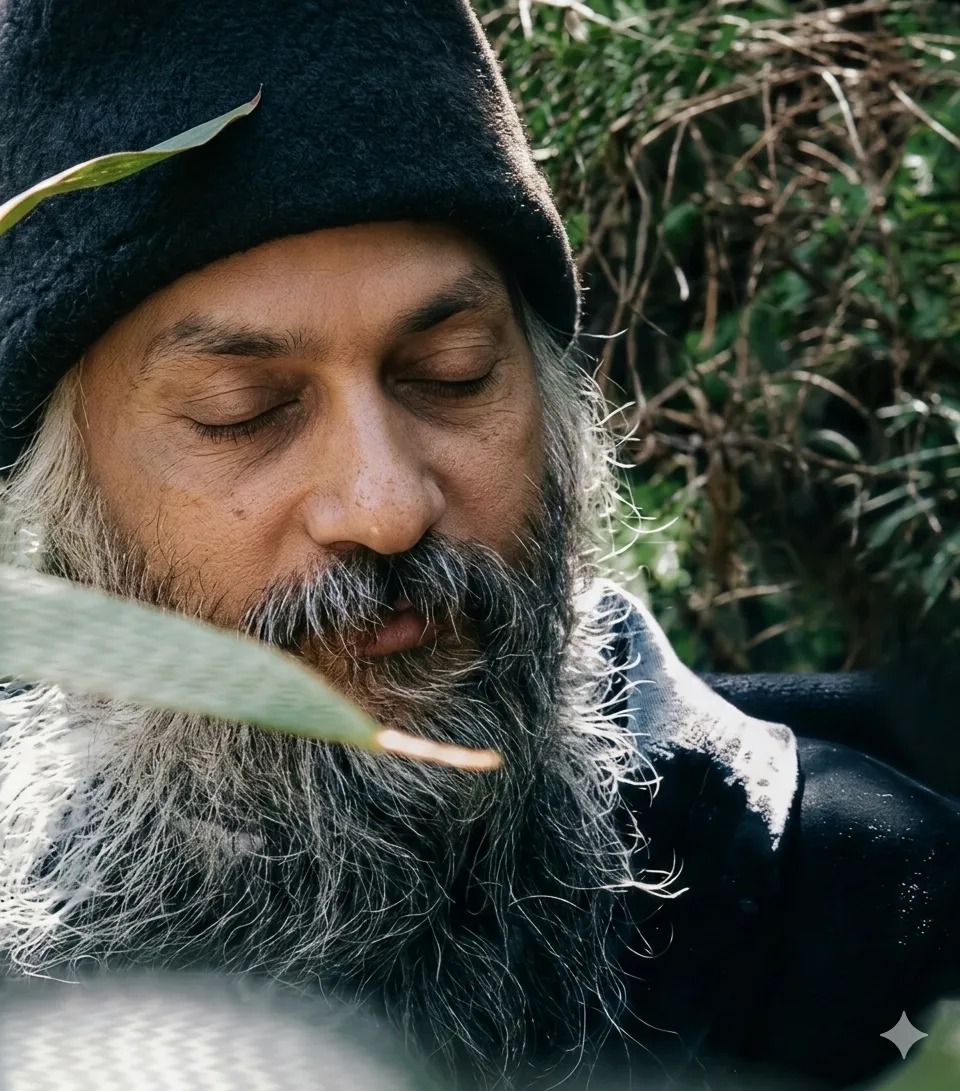
Jo Bole To Hari Katha presents an exploration of spiritual and philosophical questions through the lens of mythological narratives, particularly focusing on the life and actions of Krishna. Osho delves into the complexities of truth, victory, and morality in human history, challenging conventional interpretations of righteousness and justice. Through this discourse, Osho vividly highlights the impermanence of dualities such as winners and losers, virtue and tyranny. He questions whether the mere victory in conflicts truly signifies the triumph of truth or righteousness, positing instead that victory often reshapes the narrative, defining who is viewed as virtuous or villainous. Osho’s analysis encourages listeners to discern beyond surface-level perceptions and societal glorifications, urging a deeper understanding of existential truths. By examining the role of Krishna and the Mahabharata's philosophical teachings, Osho invites us to reconsider our notions of divinity, reinforcing the idea that true spiritual liberation lies not in external conquests but in inner transformation and awareness. This series is a profound invitation to transcend ingrained cultural and historical biases, recognizing the perennial question of human consciousness and ethical integrity.
-
Chapter 1
Ego gone, the Divine speaks: silence/samadhi make speech Hari-katha; true sannyas is joyous courage—meditate, work, be desireless. Practice nishkam bhakti.
-
Chapter 2
Manusmriti's verse warns: false religion kills dharma while living masters revive it; beware priests who preserve corpses of faith and seek living truth.
-
Chapter 3
Sarve bhavantu sukhinah will come only if each person uproots craving, self-interest and reverence for suffering; turn your pot upright to receive joy.
-
Chapter 4
Life is the divine rasa: feed body, mind, soul in sequence; neither poverty nor renunciation guarantees meditation—work, prepare, and celebrate existence.
-
Chapter 5
True religion is inner self-conquest; false religion becomes politics to seize crowds. Authority fears awakening—the hunter's gaze exposes egoic lies.
-
Chapter 6
Seers never left; Reason cannot replace the ṛṣi—true knowing is beyond logic and blooms only through meditation and direct experience, not grammar.
-
Chapter 7
Guru as Brahma, Vishnu, Mahesh and manifest Parabrahman: the true master creates, sustains and dissolves the ego—death precedes true rebirth and freedom.
-
Chapter 8
Avatars' swords failed to end tyranny; true dharma grows when life dissolves in love, not by killing. Choose the shield, not the sword. Live in love.
-
Chapter 9
Counterfeit coins reveal religious hypocrisy: ego cloaks itself as humility; true change comes by total surrender, love and meditation within a living commune.
-
Chapter 10
Buber was a moral thinker, not a buddha; true spirituality dissolves I/Thou and unites body and soul. Build communes with Hasidic joy and full non-dualism.
-
Chapter 11
Osho exposes religious politics, contrasts his Active Meditation with Vipassana (not Jain Preksha), urging cathartic purging of repression before witnessing.