
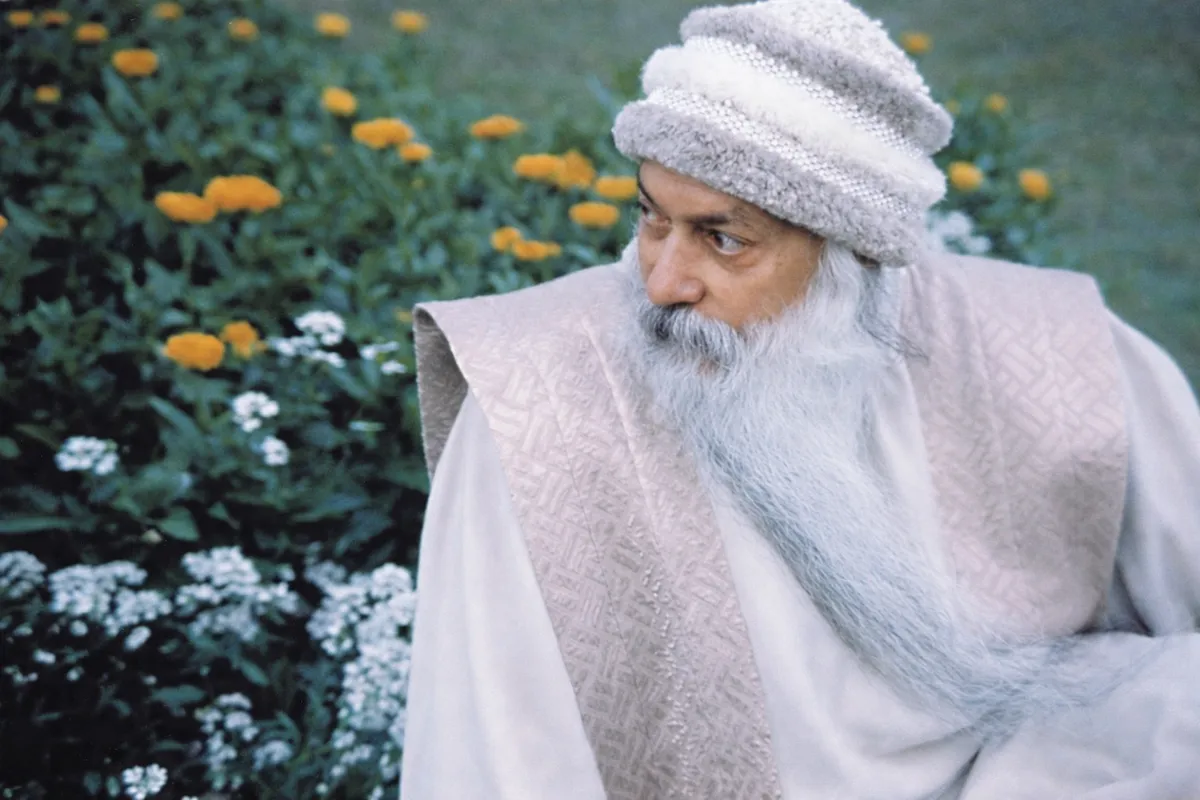
"For Madmen Only (Price of Admission: Your Mind)" is a transformative discourse series by Osho that delves into the profound journey of self-realization, challenging conventional wisdom and societal norms. Osho invites the listener to embark on an inner odyssey where the true price of admission is the willingness to let go of the conditioned mind. The discourse dismantles the illusions of the rational mind and encourages a leap into the unknown, where genuine freedom and enlightenment lie. At the heart of this series is Osho's radical idea of 'madness'—a state beyond the constraints of logical thought and societal conformity. He juxtaposes the so-called insanity of the enlightened against the mundane madness of everyday life bound by ego and fear. Through humor, paradox, and incisive clarity, Osho redefines madness as a gateway to authentic living, urging individuals to embrace the chaotic beauty of existence without resistance. Spanning themes of surrender, love, and the transcendence of duality, Osho's discourse is a call to adventure for those brave enough to abandon their mental shackles. It is an invitation to live with intensity and purpose, embracing the wondrous tapestry of life with an open heart and a liberated spirit.
-
Chapter #1
Prem kutera: rebalance reason with love — sannyas asks you to give up the reason-dominated mind (the price of admission) and lose yourself in the divine.
-
Chapter #2
Human beings are "love unborn" - seeds yearning to flower; discard useless questions, balance inner and outer, and let the ego's fragments re-integrate.
-
Chapter #3
Vulnerability and strength coexist: accept weakness as life's truth, cultivate openness and playful role-play in relationships to deepen love and meditation.
-
Chapter #4
Surrender to the god of love, not to one another; open authentically, transform passion into a cool, prayer-like union—what is true surrender?
-
Chapter #5
Follow your energy outward rather than forcing inner meditation; embrace creative risk over secure repetition, and cherish homeless, centerless freedom as goal.
-
Chapter #6
Become an island: remain utterly alone within relationships like a lotus; drop identification, see life as Deva-gatha, meditate to reveal God's hand.
-
Chapter #7
Put aside personal problems to serve others; problems are self-made beliefs. Let go of fear, embrace sannyas, and love yourself to forgive parents and know God.
-
Chapter #8
Conditioning traps us as East or West; shedding cultural shells grants true freedom. It's natural to return West sometimes—use it to loosen attachment.
-
Chapter #9
Be rather than do: celebrate each moment, drop 'God knows' as an excuse, choose the highest truth of surrender to life's perfection, and live effortlessly.
-
Chapter #10
Move from head to heart to navel: cultivate feeling and love as the doorway to being and bliss; balance masculine–feminine energies (polarity massage helps).
-
Chapter #11
De-materialisation is real: matter alternates with emptiness. Spiritual growth requires surrender, releasing control of energy, and cultivating conscious bliss through freedom.
-
Chapter #12
Beautiful relationships are fragile: pour positive energy but release negativity alone or in scheduled 'negative hours' so love survives. Practice it consciously.
-
Chapter #13
God rains life each moment; surrender the ego through discipline to be truly free and secure. Ecstasy is an experience; enlightenment is beyond the ego.
-
Chapter #14
A glimpse of God cannot be revisited; after a master's spark one must move forward to kindle one's own lamp and see love as absence of suffering.
-
Chapter #15
Divinity is already you — growth is awareness, not becoming: like finding a diamond in your pocket. Balance spontaneity and discipline, and let surrender grow.
-
Chapter #16
Shift from thinking to feeling—prem madhi: love-mind makes life whole. Lead from heart, not ego; are you ready to guide groups? Love and care for the body.
-
Chapter #17
Give freedom, accept what is, watch problems with alert awareness, use every responsibility as a path to growth, drop ego and allow love to possess you.
-
Chapter #18
Let children erupt then sit silent to restore balance; sadness is repressed anger—turn it outward and release; surrender personal negativity to belong.
-
Chapter #19
Consciousness must flow like a river: give freely, love as an ever-renewing garland, use meditation, understand seven-year cycles to dissolve fear of death.
-
Chapter #20
Victory lies in union with the whole: life blooms through cooperation, love and regular meditation. Trust your heart, cultivate interest, and choose love.
-
Chapter #21
Sannyasin feels lost and trapped; energy is flowing but greed for fast change risks breakdown—accept slow, content growth; a master guides the process.
-
Chapter #22
Love is the path to the divine; marriage often kills love by sacrificing freedom — be truthful, courageous, and commit to love itself for happiness.
-
Chapter #23
Divine is near: drop ego-effort and move from root-work to flower-play; invite grace by relaxed being, say yes to love, be real and drop rejection.
-
Chapter #24
Existence is an eternal song: tune to its mantra through sound, music, love and surrender; love dissolves ego, fear and ecstasy together mark real growth.
-
Chapter #25
Trust (shraddhan) means dropping the armour and living vulnerably with existence; creativity and surrender, not fear or clinging, open the path to truth.
-
Chapter #26
Finish your psychology degree as a useful foundation; don't dissect inner experiences with the mind, let meditation and love unfold with understanding and trust
-
Chapter #27
Projection of childhood fear makes disciples see anger in the master; healing requires crying, love, intimacy and surrender—becoming small frees true being.
-
Chapter #28
Bliss is the inner diamond; catharsis clears the container but only mysticism/Tantra can fill it—action analysis helps, but is catharsis alone enough?
-
Chapter #29
Return to childlike innocence through sannyas, abandon society’s masks, stake all on trust, and live prayerfully—seeing every step as encountering the divine.
-
Chapter #30
Do Kundalini mornings and a five-minute nightly 'death' meditation to drop body-mind, glimpse a blue third-eye awareness, and welcome death as the divine door.