
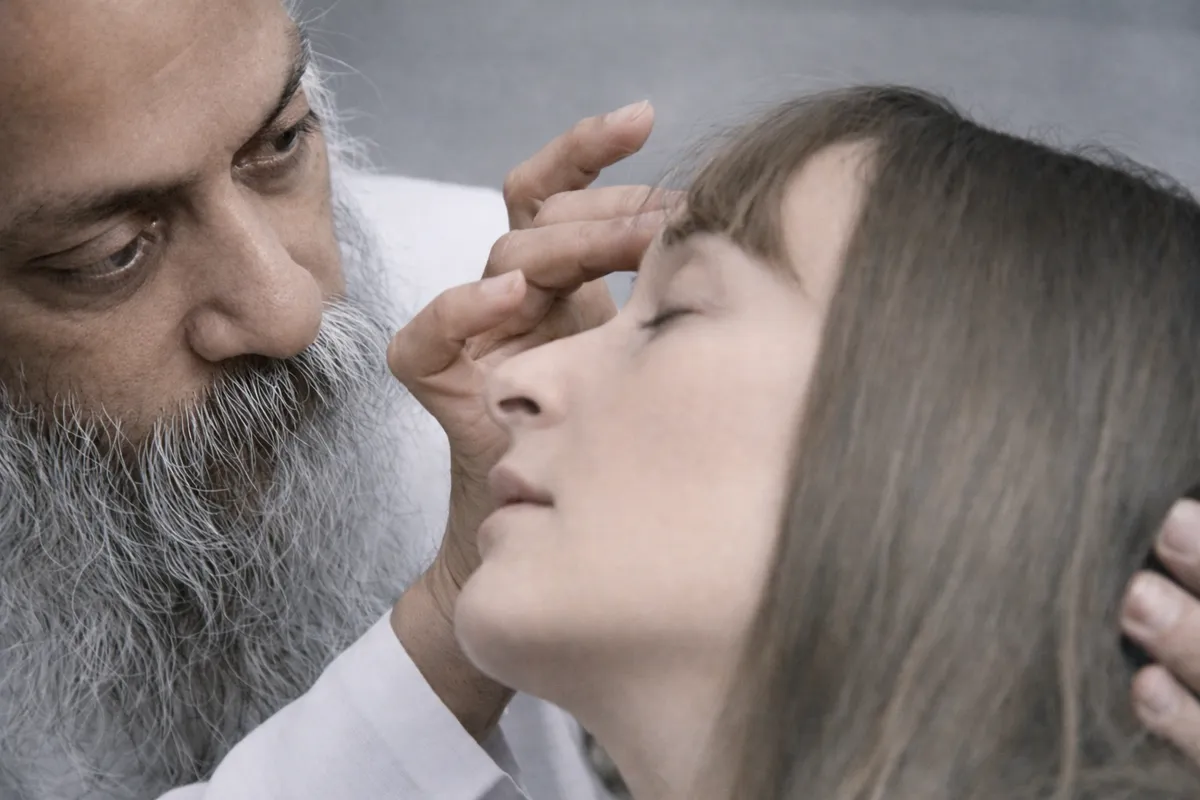
"Dharam Sadhana Ke Sutra" is a profound discourse series by Osho, exploring the spiritual malaise and existential crisis afflicting modern humanity. Through a critical lens, Osho examines the philosophical declaration by Nietzsche that "God is dead," and the subsequent impact this notion has had on societies worldwide. He highlights the perilous path taken by millions who, in rejecting the divine, also abandon the pursuit of their highest potential. Osho contends that the widespread acceptance of this ideology threatens to plunge humanity into madness, mirroring Nietzsche's own tragic fate. The series delves into the inherent void that arises from denying God—the ultimate quest for truth, beauty, and illumination that lies dormant when spirituality is neglected. Osho calls for a revival of the inner quest, urging individuals to reconstruct the temple of their soul, rekindling the divine connection within. By doing so, Osho challenges his audience to overturn the hollow ritualism that pervades modern religious practices and to seek a genuine transformation of consciousness. This discourse is a compelling invitation to reawaken the spirit, bringing warmth and vitality back into human lives by rediscovering the divine essence that resides within all.
-
Chapter 1
Belief stops the search; know rather than believe—transform life’s energies instead of denying them, follow your own discernment, and value freedom over creeds.
-
Chapter 2
God's death is inner emptiness; true seeking begins when you feel the loss. Where did you lose Him? Osho: undo knots, stand in the void to find God.
-
Chapter 3
Fearlessly dissolve the small self: choose ecstatic 'madness' for the Divine rather than saving the ego; meditate deeply to uproot habits, touch inner light.
-
Chapter 4
Human ignorance: people learn nothing from experience, repeating mistakes like trusting a thief; Osho urges awareness, discernment and respectful listening.
-
Chapter 5
Meditation is non-doing and patient waiting: prepare the door by floating, dissolving the ‘I’, and total acceptance so the divine can enter.
-
Chapter 6
Lose the 'I' to reach the divine: untie beliefs and stakes, drown the ego like sailors unmooring at night, and sail into knowing rather than belief.
-
Chapter 7
Living on life's veranda, we remain strangers to ourselves; only recognizing life's futility and learning from experience can create the thirst for the Divine.
-
Chapter 8
Ask: 'What have I gained from life?' Release clutching, remember 'this too will pass', open to mystery; then peace becomes receptivity for the divine.
-
Chapter 9
Humanity rejects life, creating sorrow, violence and priests who keep God distant; reclaim life as religion: live fully and music of life becomes prayer within.
-
Chapter 10
Truth isn't proved by scripture or logic but lived: like salt-dolls drowning to know the ocean's depth, one must lose the self and fall silent to know God.