
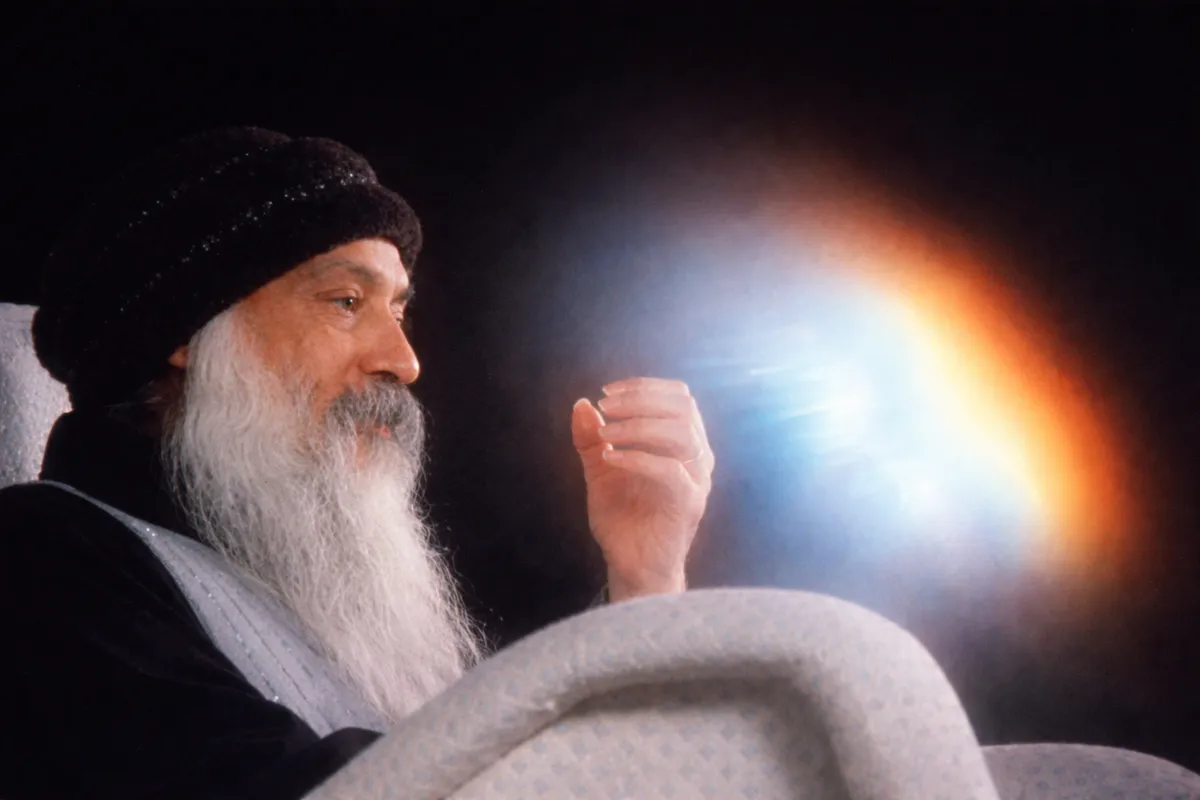
"Cheti Sake To Cheti" is a vibrant exploration of spirituality and the allure of miracles, as examined by Osho. The series presents a cogent argument that spirituality and miracles have an adversarial relationship. According to Osho, a truly spiritual person disavows miraculous claims, viewing them as distractions from genuine spiritual growth. He posits that miracles captivate and seduce the ambitious, suggesting that even leaders, driven by desires and ambitions, are susceptible to the charms of conjurers. These conjurers promise the fulfillment of worldly desires, whether it be health, power, or status, thereby ensnaring both leaders and the masses in their web. Osho's discourse unveils societal dynamics, highlighting how poverty and unhappiness increase the influence of conjurers. He emphasizes that the authority and achievements in one domain do not necessarily translate into wisdom or enlightenment in spiritual matters. This series acts as a cautionary narrative against equating material success with spiritual correctness. Osho's distinctive perspective challenges listeners to discern the substance and motivations behind so-called miraculous feats, urging an authentic engagement with spirituality that transcends superficial, illusionary attractions. Through this series, he calls for a deeper inquiry into the true essence of spiritual consciousness, emphasizing thoughtfulness and awareness in navigating life’s complex paths.
-
Chapter 1
Demolish dead traditions and embrace continuous renewal: reject ancient complacency, adopt science and independent thinking to rebuild a living, modern India.
-
Chapter 2
Delay action; create a nationwide climate of questioning and thought for years, unsettle inherited certainties so new leaders and solutions can emerge.
-
Chapter 3
Spirituality opposes miracles and showmanship—true miracles are inner transformations; material prosperity and social equality enable genuine religious growth.
-
Chapter 4
Alive peace integrates drives: inner acceptance dissolves self-anger so the peaceful can fiercely oppose injustice without repression, enabling true revolution.
-
Chapter 5
Lofty ideals failed because Indian knowledge was life‑negative and masochistic; real change requires life‑affirming wisdom that naturally transforms conduct.
-
Chapter 6
Make each moment new—choose risk over numb boredom; energy is one and can be redirected beyond sex into higher doors, redefining brahmacharya as divine conduct.