
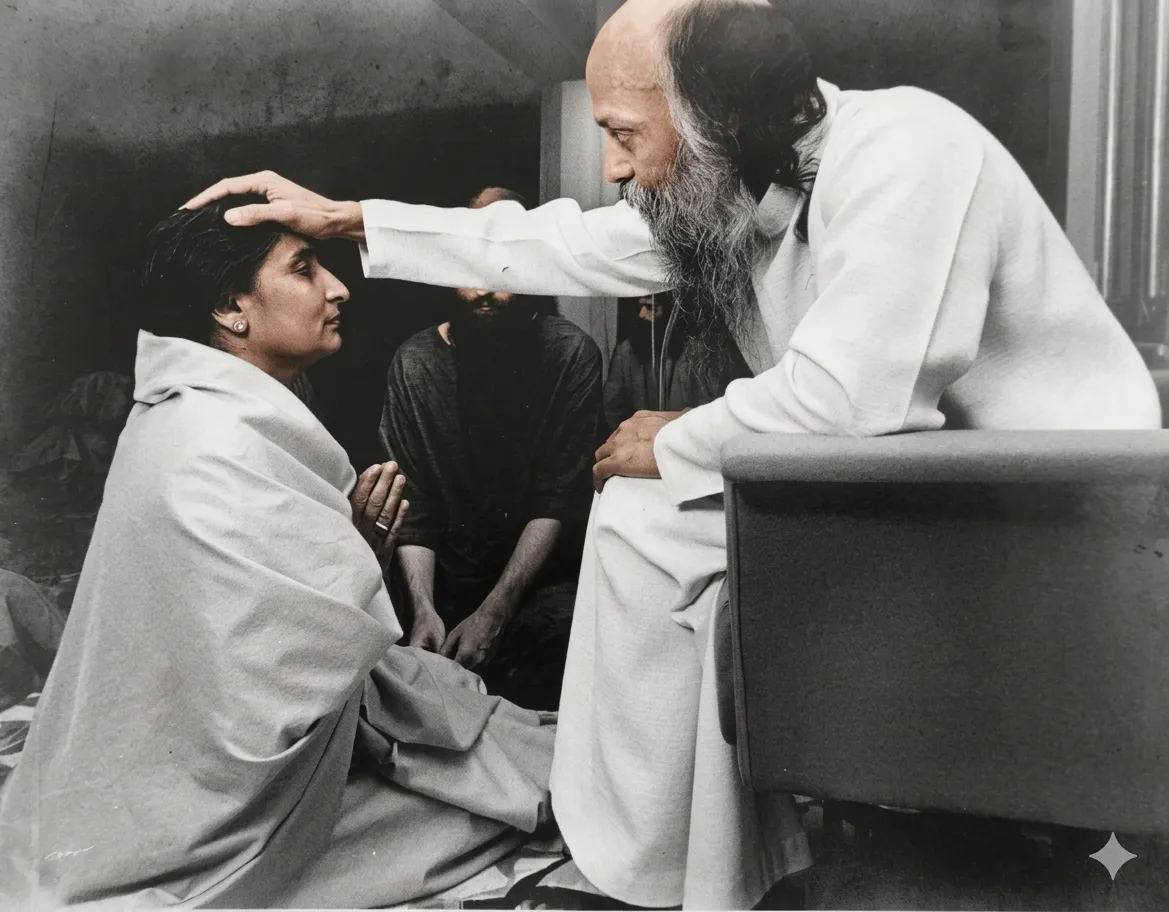
"Books I Have Loved" is a captivating exploration of the profound and transformative power of literature as seen through the eyes of the mystic Osho. In this discourse series, Osho delves into the spiritual dimensions of reading, examining how books have shaped his consciousness and spiritual journey. He provides insightful reflections on various works that have influenced his understanding of the world, the self, and the divine. Osho approaches each book not merely as a source of knowledge but as a doorway to enlightenment, emphasizing how true reading transcends intellectual engagement and becomes a meditative act. His unique perspective encourages readers to find spiritual nourishment in the written word, suggesting that books can act as silent companions guiding one towards self-discovery and inner awakening. Throughout the series, Osho shares anecdotes and personal experiences, illustrating how certain books have played pivotal roles in his life, enriching his insights into human nature and consciousness. This discourse series ultimately stands as a testament to the enduring importance of literature in cultivating a deeper spiritual awareness and its potential to inspire profound transformation in seekers.
-
Chapter #1
Silence is the truest speech: moments of guest, host and the white chrysanthemum reveal wordless poetry and cosmic laughter beyond doctrines—how to live awake?
-
Chapter #2
Apology for forgotten sacred books; emptiness as fullness, Sufi alchemy, hidden teachings and parables; can disciples truly avoid becoming Judases?
-
Chapter #3
Sosan's HSIN HSIN MING is supreme—truth comes simply, through silence and the left-hand/heart—books must point to direct being, not bulky intellect.
-
Chapter #4
Awakening often reaches the world through disciples' notes; grace descends unpredictably, authentic insight resists authorship — why do masters not write?
-
Chapter #5
Contrasting stern intellect and ecstatic devotion, Osho praises love-with-awareness as the highest inquiry and the rhythmic heart of scripture as the true path.
-
Chapter #6
Truth is beyond words: Dhammapada and other masters teach paradox, nakedness, surrender and laughter — practical methods toward a Zorba-Buddha synthesis.
-
Chapter #7
Mystics and sacred books reveal the unsayable: Osho celebrates living masters, 'a little madness and a lot of meditation'—God is immediate, no mediator.
-
Chapter #8
Celebration of authentic masters and books: urge to find inner truth beyond borrowed ideas, silence, love, and the courage to be oneself and humor.
-
Chapter #9
Love for the ultimately real (philosia): BEING over becoming, heart over head, richness as egolessness; books open doors but a living meditator is needed.
-
Chapter #10
Critiquing modern philosophers, Osho prescribes complex books for varying degrees of 'madness' and elevates transformative masters like Vimalkirti and Buddha.
-
Chapter #11
Osho praises books that touch authentic inwardness, preferring firsthand silence and parable over scholarship, urging the inner inquiry "Who am I?" as essential.
-
Chapter #12
Praise for authentic mystics and flawed giants: readings expose spirit over style, silence over dialogue, and inner experience as the only true book lived.
-
Chapter #13
Books as living companions and spiritual mirrors: value authenticity over imitation; return to the moment, ask 'Who are you?' and live from presence.
-
Chapter #14
Freak inwardly: authenticity arises by embracing death, emptiness and awareness; true meditation is pure subjectivity, not thinking—how to live awake?
-
Chapter #15
Osho critiques revered writers, preferring lived experiential truth to intellectual 'experiments'; he urges courage, heart-openness and meditation to know truth
-
Chapter #16
Authenticity matters more than reputation: true spiritual transmission and knowing are beyond books, names or language, demanding inner perception, discernment.