
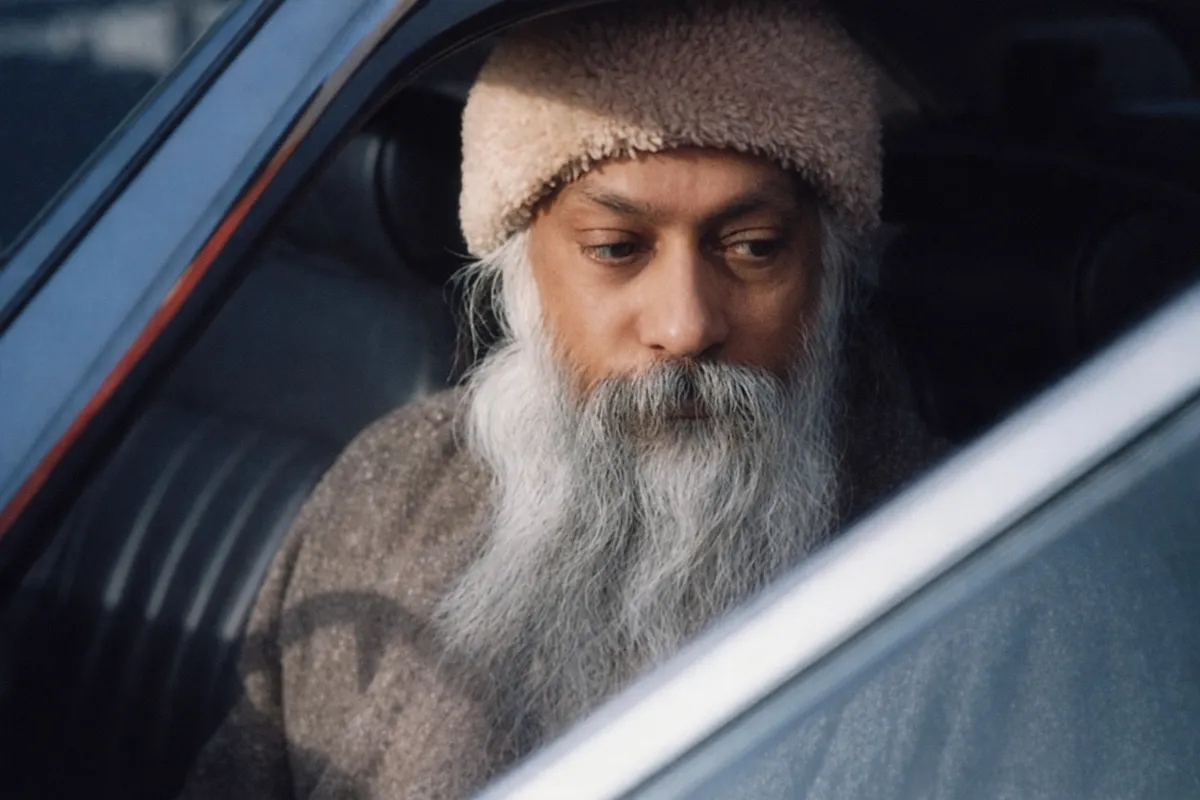
"Bahutere Hain Ghat" is a deep exploration of the distinction between age and maturity, challenging conventional perceptions of wisdom. Osho invites audiences to redefine "growth" beyond mere aging, suggesting that true maturity stems from experiences that cultivate depth within the soul. Through anecdotes and reflections, he illustrates that wisdom and virtuous living transcend chronological age. Osho critiques superficial interpretations of ancient texts, like the Mahābhārata, urging readers to filter historical wisdom through the lens of personal growth and applicability. In doing so, he subverts the traditional valorization of age, positing instead that ripeness of the spirit—evident in figures such as Shankaracharya and Jesus—holds the real essence of wisdom. The series delves into the concept of "sabha" or assembly, promoting the idea that a truly civilized society is measured by its capacity for empathy, understanding, and the ability to cultivate inner richness. Osho's discourse beckons individuals to seek and foster innate maturity, fostering a kind of civilization where soulfulness and integrity are paramount, regardless of one's chronological journey through life. By advocating for inner transformation, Osho presents a radical rethinking of how we perceive the convergence of age, wisdom, and spiritual growth.
-
Chapter 1
Many are the ghats: many paths lead to one ocean — drop the mind and clinging to forms; sit in silence, let love spread, religiosity is nameless celebration.
-
Chapter 2
True guidance comes from inner no-thought, not borrowed rules; reject birth-based authority, stop imitating others, and awaken through your own living insight.
-
Chapter 3
Aitareya aphorism reinterpreted: yugas are consciousness stages—sleep is Kali, rising to walking makes Krita; Charaiveti: keep moving. Organized religions fragment real religion.
-
Chapter 4
Eldership is ripeness, not age; dharma is lived truth, not scripture; a true master dismantles the false self and awakens courage, so the Kshatriya can arise.