
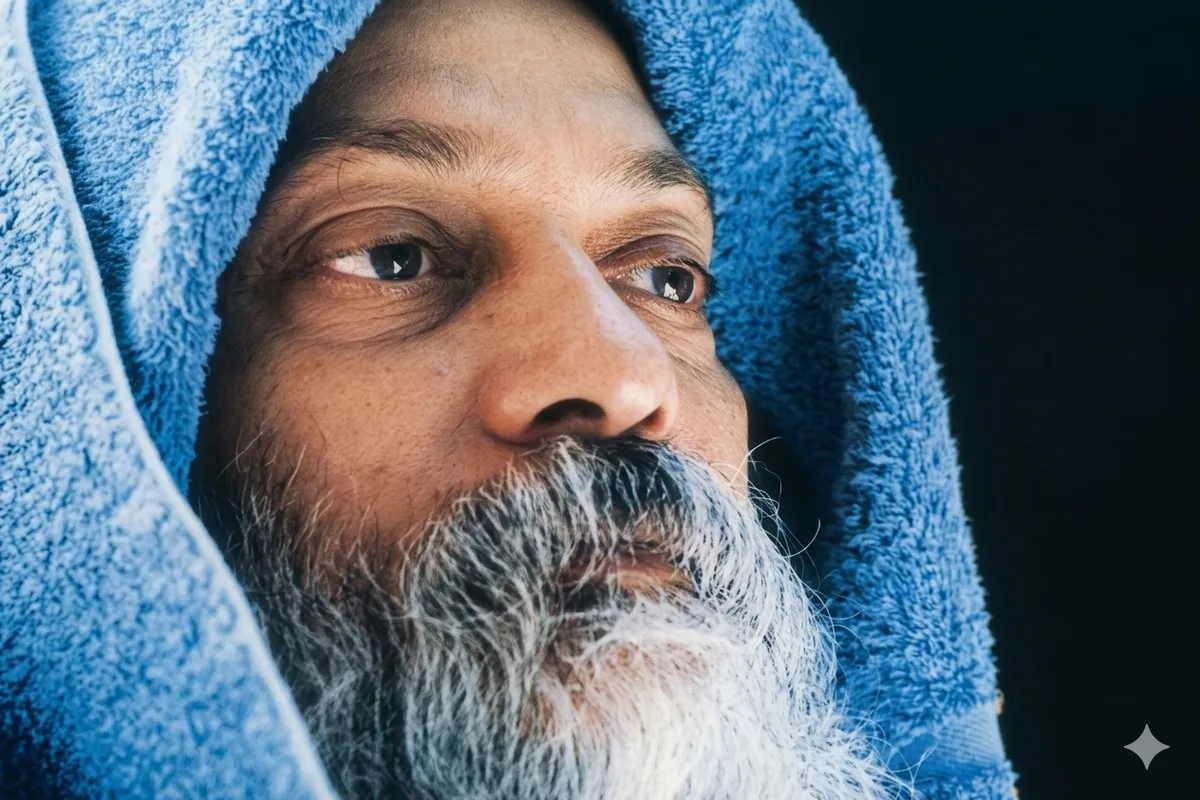
"And The Flowers Showered" is a profound series of discourses by Osho, exploring the intricate tapestry of Zen and its transformative impact on human consciousness. Rooted in Zen anecdotes, each discourse serves as a gateway to understanding the essence of enlightenment and the subtleties of spiritual awakening. Osho's unique narrative unfolds with a seamless blend of humor, paradox, and profound wisdom, challenging conventional notions of the self and awakening the listener to the present moment. At the core of these teachings is the idea of existence as a dance of spontaneity and acceptance, where life is celebrated in its raw and natural form. Osho highlights the importance of transcending the ego, moving beyond dualistic perceptions, and embracing the simplicity and immediacy of life. His discourses encourage a path of meditation and mindfulness, urging followers to discard societal conditioning and instead trust in the intuitive flow of the universe. Through "And The Flowers Showered," Osho illuminates the beauty of living authentically and the liberation found in recognizing one's true nature. His insights invite a holistic transformation, catalyzing a state of profound inner peace and unconditional love for one's own existence.
-
Chapter 1: Flower shower
The whole of existence celebrates when one drops the self; sublime emptiness awakens the universe's love and flowers shower as proof of union. This is literal.
-
Chapter 2: The brash student
Knowledge is paper boats; true truth is being—brash Yamaoka parrots emptiness until Dokuon's staff reveals anger, showing knowing isn't living.
-
Chapter 3: The temper
Shift attention from reactive periphery to your unchanging center: awareness transforms anger into compassion; Bankei shows true nature can't be produced.
-
Chapter 4: What is the way?
The Way lies beyond your inner mountain: dissolve past burdens and multiplicity, become thoughtless yet alert, and only then the path opens fully.
-
Chapter 5: Is he dead?
Life and death are inseparable mysteries; words fail—experience and silence answer. When Zengen asked 'Is he really dead?' the masters' silence awakened him.
-
Chapter 6: The art of archery
Technique can perfect action, but true mastery is non-doing: inner source, not outward skill; fearless presence lets the arrow shoot itself.
-
Chapter 7: Temple fire
Presence dissolves mind's fear: live moment-to-moment like Tokai with a temple fire—be spontaneous and alert, let the present decide, not plans.
-
Chapter 8: Tozan's five pounds
Mind's questioning blocks reality; true Buddhahood is living the moment - Tozan weighing flax: 'This flax weighs five pounds' shows ordinary as absolute.
-
Chapter 9: Deaf, dumb and blind
Most people are deaf, dumb and blind to God because they deaden themselves; awaken by total, risky surrender and inner openness, not by rescuing others.
-
Chapter 10: Seeing double
The Way is before your eyes, clouded by thought and ego; stop interpreting, drop I and you, simply be the look—clear, nondual awareness alone truly sees.
-
Chapter 11: Not mind, not buddha, not things
Truth cannot be taught, only lived: drop mind, Buddha and things; become empty as Nansen's overflowing cup shows, truth arises when you breathe with a master.