
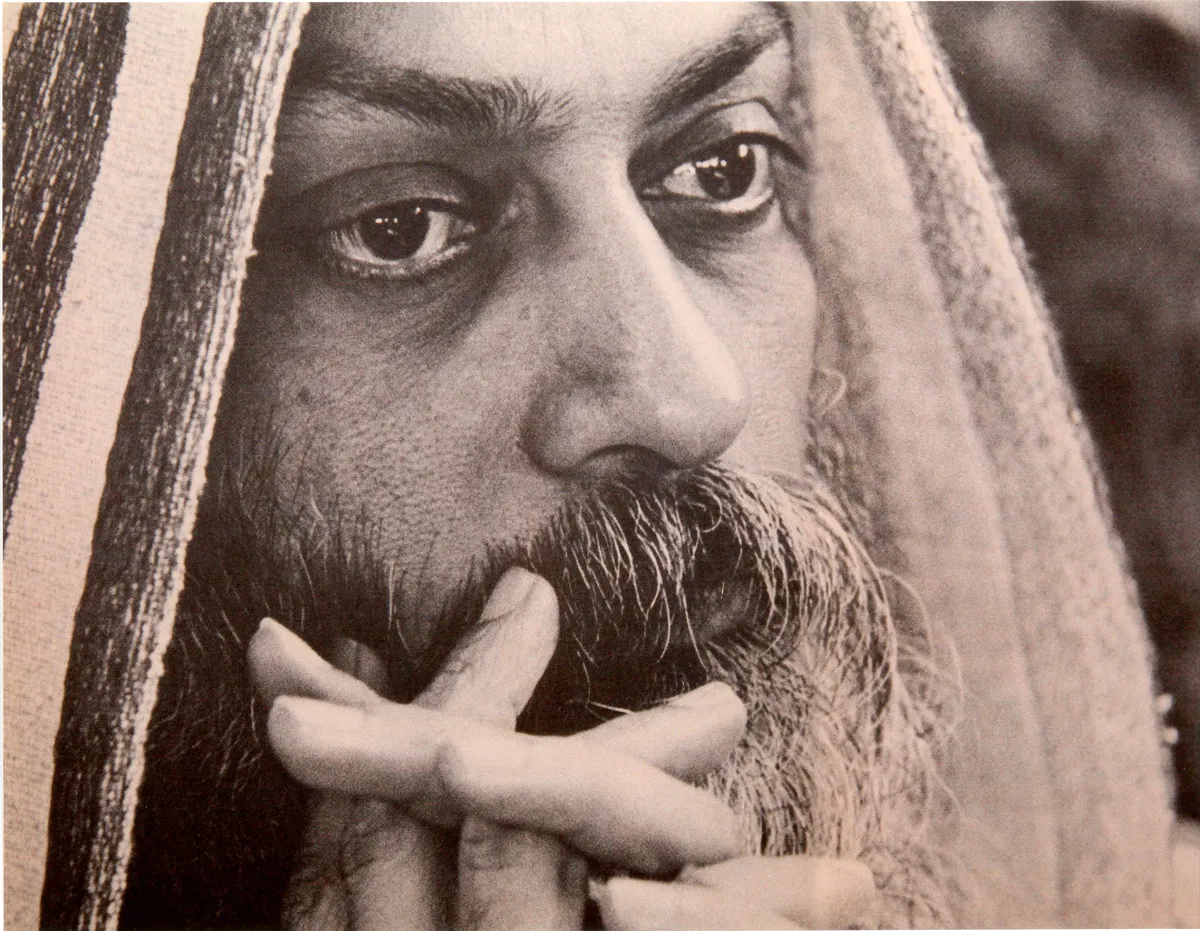
"A Bird on the Wing" by Osho explores the intricate balance between freedom and discipline on the path to spiritual enlightenment. In this discourse series, Osho delves into the paradoxical nature of human existence, emphasizing the necessity of embracing contradictions to attain true freedom. He presents freedom not as an escape from responsibility but as a state of being that arises when one transcends the constraints of the ego. Osho articulates a vision where spiritual growth is akin to a bird soaring in the sky—unhindered and effortlessly directional, yet guided by an innate internal compass. In his unique style, Osho challenges the rigid structures of organized religion and societal conditioning, advocating instead for a fluid approach to spirituality that honors the individuality of the seeker. He encourages a deep inquiry into one's inner world, promoting awareness as the key to unlocking the mysteries of life. Through stories and parables, Osho illustrates the significance of living in the present moment, experiencing life with complete involvement, yet detachment. His discourse invites listeners to cultivate a profound understanding that true spiritual transformation comes from within, where the wings of awareness are the only tools necessary to traverse the vast sky of consciousness.
-
Chapter 1: Empty Your Cup
Let go of opinions: don't just empty the cup - break it. Surrender, witness fear and suffering without reacting; pass through, be reborn in emptiness.
-
Chapter 2: No Mind, No Truth
No-mind and no-truth: drop seeking and knowledge; truth is revealed in the gap between thoughts — be, not seek, because the seeker blocks what is.
-
Chapter 3: The Gates of Heaven and Hell
Heaven and hell are psychological gates within; Hakuin's samurai shows anger opens hell while sudden awareness opens heaven, a momentary inner shift
-
Chapter 4: Have a Cup of Tea
Joshu’s 'have a cup of tea' invites fresh awareness, intimacy and nonjudgmental welcome; closeness to a master demands ego-death and rebirth, not loss.
-
Chapter 5: Master of the New Monastery
Reality is known through spontaneous action, not rehearsed thought: the cook kicks the water jar and is chosen—act without craving results; kick and walk out.
-
Chapter 6: The Miracle of Ordinariness
The true miracle is ordinary: relinquish ego and let nature flow—eat when hungry, sleep when sleepy—return to childlike innocence and drop magic-seeking.
-
Chapter 7: The Severe Teacher
Zen masters can use the moment of death to spark enlightenment: a sudden shock breaks desire, dissolves ego, and lets boundless awareness arise.
-
Chapter 8: Zen Without Writing
Truth cannot be handed through words or scripture; burn the maps and seek direct experience, only your authentic inquiry reveals you need a master.
-
Chapter 9: Save the Cat
Nansen’s cat parable: possessive thinking mind kills life; only a spontaneous no-mind act can save livingness, so drop possessiveness and rules.
-
Chapter 10: The Master of Silence
Silence, not words, is the master's key: Buddha gave a flower to Mahakashyap; awakening is passed heart-to-heart, ripening into laughter and celebration.
-
Chapter 11: Sober Up
Continuous alertness: call your name—'Are you there?'; sober up and resist society's automatization; meditation roots compassion, and gratitude naturally follows.